

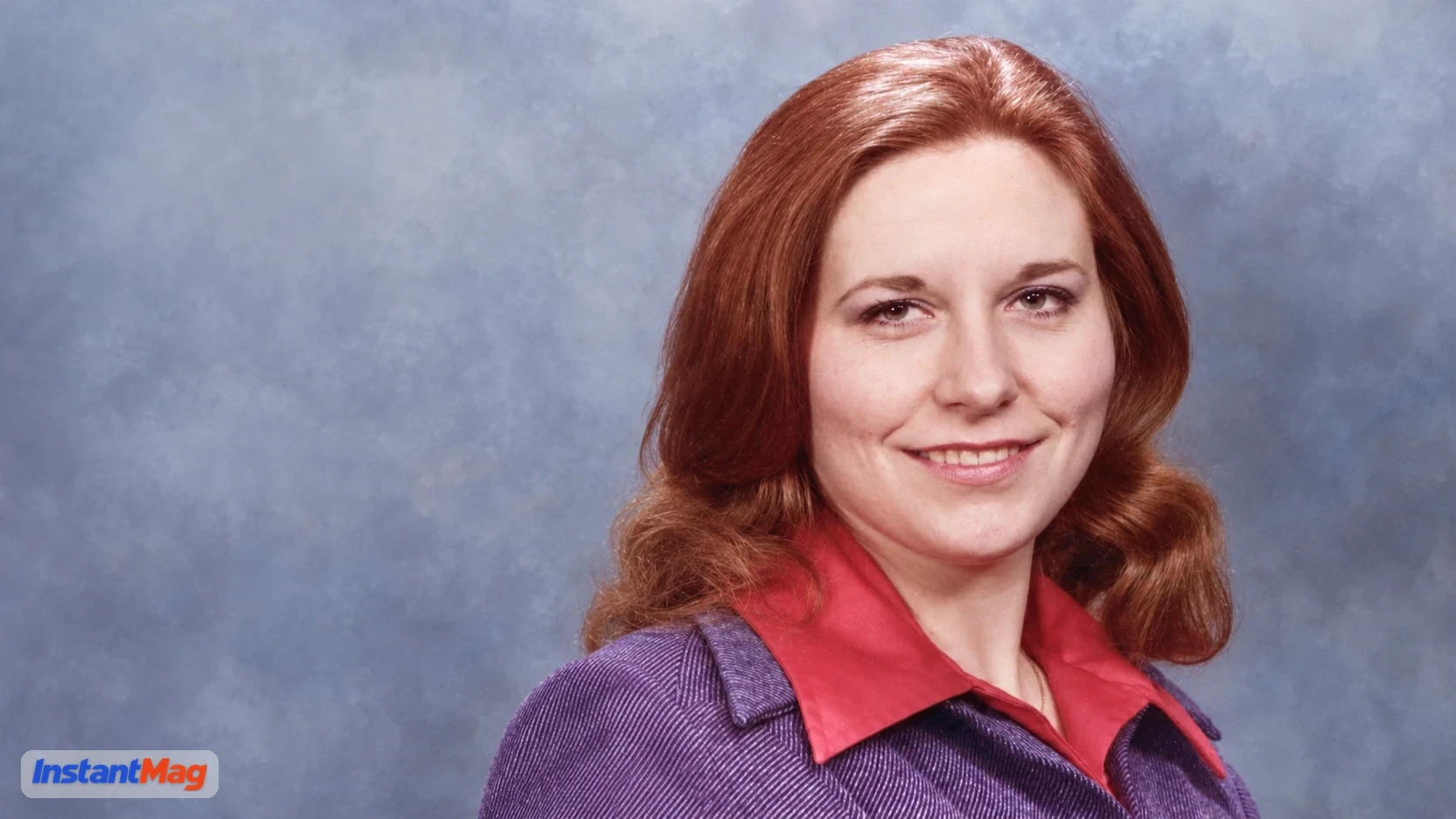
Elizabeth Anne Hardy is actor Tom Hardy’s mother and an artist, according to Matt Zoller Seitz’s Vulture profile published on 9 January 2017. Seitz names her while discussing the actor’s drawing and the creative background to Taboo.
That identification distinguishes her from other people with the same or similar names. The university credentials, obituary details and exhibition histories attached to those names should not be treated as part of her biography. The 2017 account establishes the reported family connection and occupation; it does not confirm her present personal circumstances.
What is documented about her art?
Vulture describes Elizabeth Anne Hardy as an artist, but does not document her medium, individual works or exhibition history. “Artist” is therefore the appropriate description, rather than a more specific claim about a professional painting career or a particular style.
Her occupation appears as part of Seitz’s account of Tom’s creative background. Elizabeth is not the interview subject, and the article does not contain her own explanation of her work. This matters when distinguishing the description of an artist from an account of her artistic practice: the former is reported directly, while the latter would involve her actual works and perspective.
The description nevertheless gives her a public identity beyond the mother–son relationship. It identifies an artistic activity of her own, without making her son’s performances a substitute for her work.
The artistic connection with Tom Hardy
Seitz connects Tom Hardy’s drawing talent with his artist mother. That is the writer’s interpretation of the family connection, rather than a statement from Elizabeth about teaching her son.
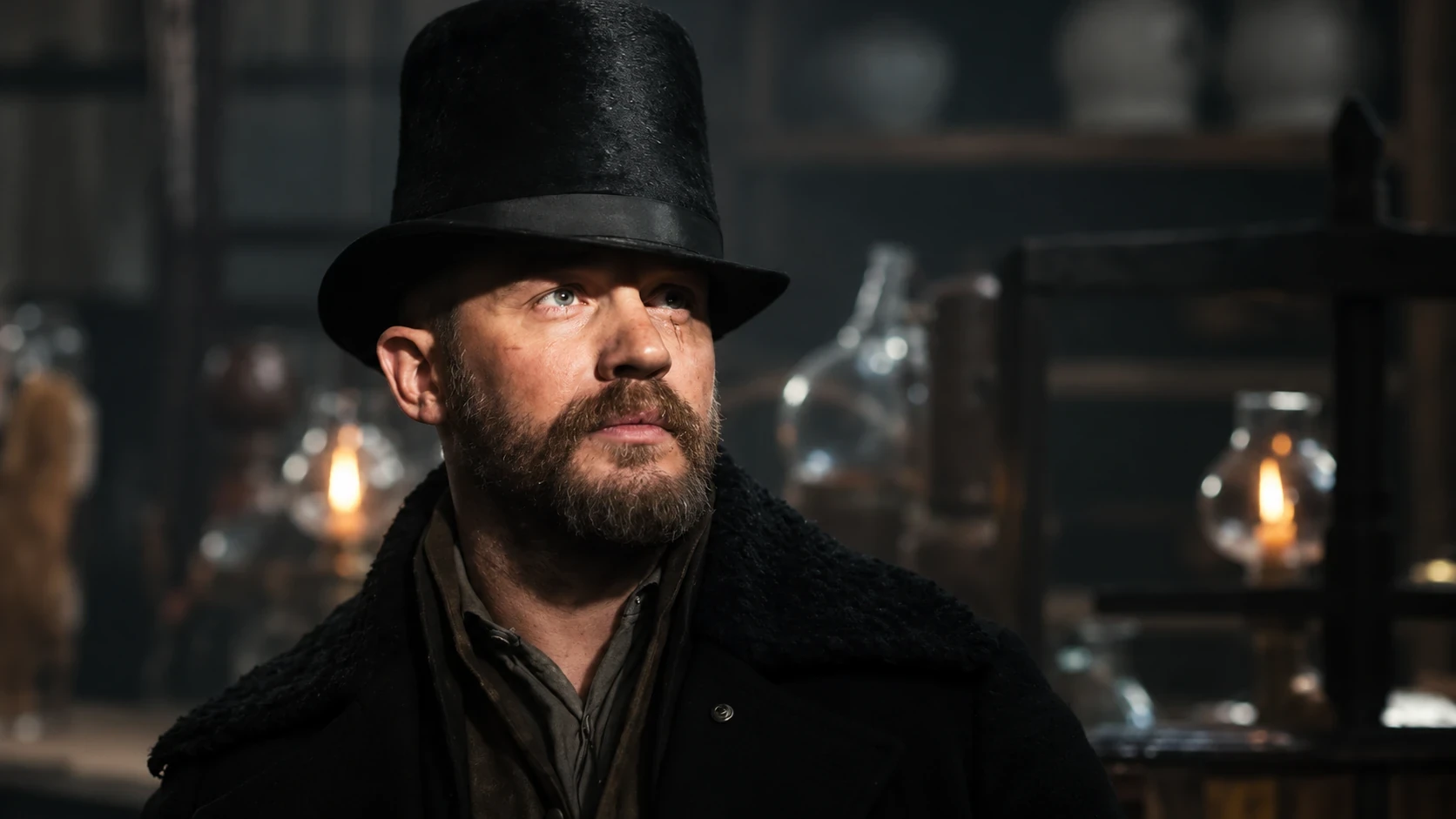
The profile supplies a concrete example of Tom’s drawing: it describes his pictures of characters, including James Delaney in Taboo. Those drawings belong to Tom. They explain why his mother’s occupation is relevant to the interview, but do not establish that Elizabeth designed the character, contributed artwork to the series or taught him a particular method.
The same article identifies Tom’s father, Chips Hardy, as a novelist and comedy writer, and reports that father and son devised the concept of Taboo. These are distinct contributions within the account: Elizabeth is identified as an artist, Tom’s drawings illustrate his own creative practice, and Chips is connected to the programme’s development. Keeping those roles separate avoids giving Elizabeth a production credit that the profile does not assign to her.
Distinguishing Elizabeth Anne Hardy from namesakes
An exact name match can still refer to someone else. Two records are especially important to distinguish from the woman identified in Vulture.
Wright State University’s directory lists an Elizabeth Anne Hardy, PhD, as Clinical Associate Professor in Psychiatry. That institutional listing does not identify its subject as Tom Hardy’s mother. Its qualification and academic role therefore do not belong in this profile.
A Lucas Funeral Home obituary concerns Elizabeth “Anne” Hardy, who was born in Sherman, Texas, and died on 21 January 2024. It names Doyle Hardy as her husband. The notice does not identify the deceased as the actor’s mother and is not evidence of her death.
Other similar names require the same separation. A Companies House record uses the spelling Elizabeth Ann Hardy, without the final “e” in Anne; no established connection links that officer record to the mother named by Seitz. Likewise, the contemporary artist known as Anne Hardy should not have her exhibition history transferred to Elizabeth merely because both are described as artists.
For readers seeking Tom Hardy’s mother, the defining connection is the explicit identification in Seitz’s 2017 profile. The academic listing, Texas obituary and similarly named artist records do not extend that biography.
Conclusion
Elizabeth Anne Hardy is identified in Matt Zoller Seitz’s 2017 Vulture profile as Tom Hardy’s mother and an artist. That is the supported answer; the source does not establish her artistic medium, exhibition history or present personal circumstances. Records for similarly named people do not fill those gaps.
A fuller biography would require additional reporting explicitly linked to the woman Seitz identifies. The next research step is to verify that connection before using any further record to expand her biography.
More from instantmag.co.uk.
