

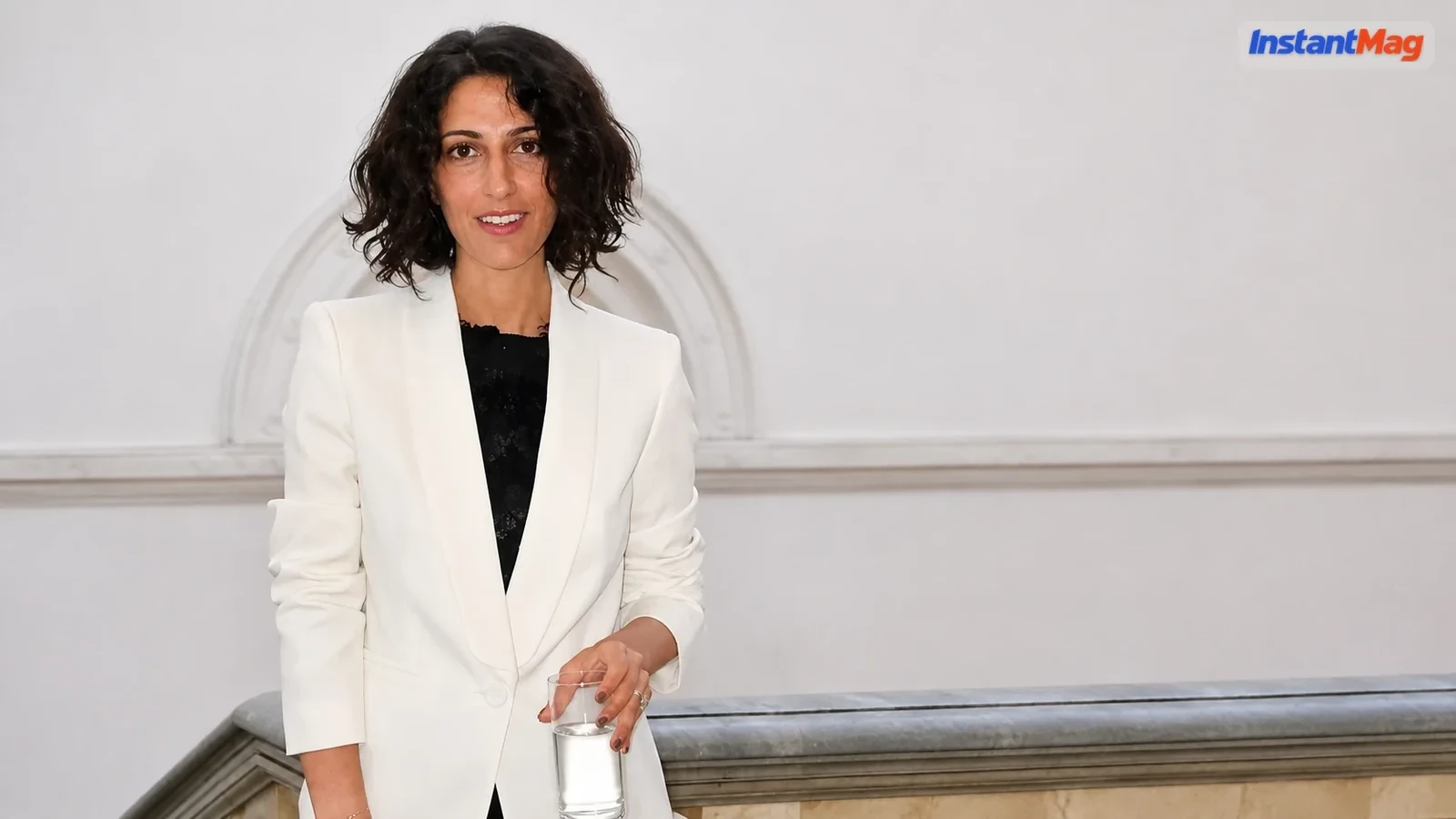
Yasmin Abdallah, professionally known as Yasmin Sewell, is an Australian fashion entrepreneur, former fashion buyer and founder of the fragrance brand Vyrao. She was previously married to British actor Rufus Sewell, but her professional career spans London fashion retail, creative direction and beauty entrepreneurship.
In September 2026, Vyrao underwent a significant ownership change when investment platform Tresalis acquired a majority stake. Sewell remained involved as founder, Chief Brand Officer and minority shareholder, according to the company’s announcement on 30 September.
The transaction marked a new chapter for a business she launched in 2021 after more than two decades working with fashion designers, retailers and digital platforms.
What we know so far
- Identity: Yasmin Abdallah and Yasmin Sewell are the same fashion professional, as established in Vogue’s 2013 profile.
- Background: She grew up in Sydney, Australia, in a family of Lebanese heritage and moved to London in 1996.
- Marriage: She married actor Rufus Sewell in 1999, although their marriage was brief.
- Career: Her professional history includes Yasmin Cho, Browns, Liberty, Style.com and Farfetch.
- Current role: Following Vyrao’s September 2026 acquisition, she retained a minority ownership interest and continued as Chief Brand Officer.
Yasmin Abdallah became known as Yasmin Sewell
The connection between Yasmin Abdallah and Yasmin Sewell is documented in a May 2013 Vogue profile written by fashion journalist Sarah Mower.
Mower described knowing Sewell since she arrived in London from Australia in 1996 under the name Yasmin Abdallah.
The profile also discussed her early London boutique, her work with emerging fashion designers and her marriage to actor Rufus Sewell.
Her name change explains why older entertainment photographs and articles sometimes identify her as Yasmin Abdallah, while fashion publications and contemporary business announcements use Yasmin Sewell.
The distinction matters because some online biographies treat the two names as separate identities. In the case of the Australian fashion entrepreneur, they refer to the same woman.
There are also other public figures named Yasmin Abdallah, including a researcher specialising in Egyptian heritage and an Egyptian aquaculture professional. Their achievements and personal information are unrelated to Sewell’s biography.
Her marriage to Rufus Sewell
Yasmin Abdallah married British actor Rufus Sewell in 1999.
The relationship was reported at the time rather than appearing solely in later celebrity biographies.
An article published by The Independent on 3 April 1999 identified Abdallah as a fashion buyer and reported that she had recently married the actor.
The couple had also appeared together publicly before their marriage.
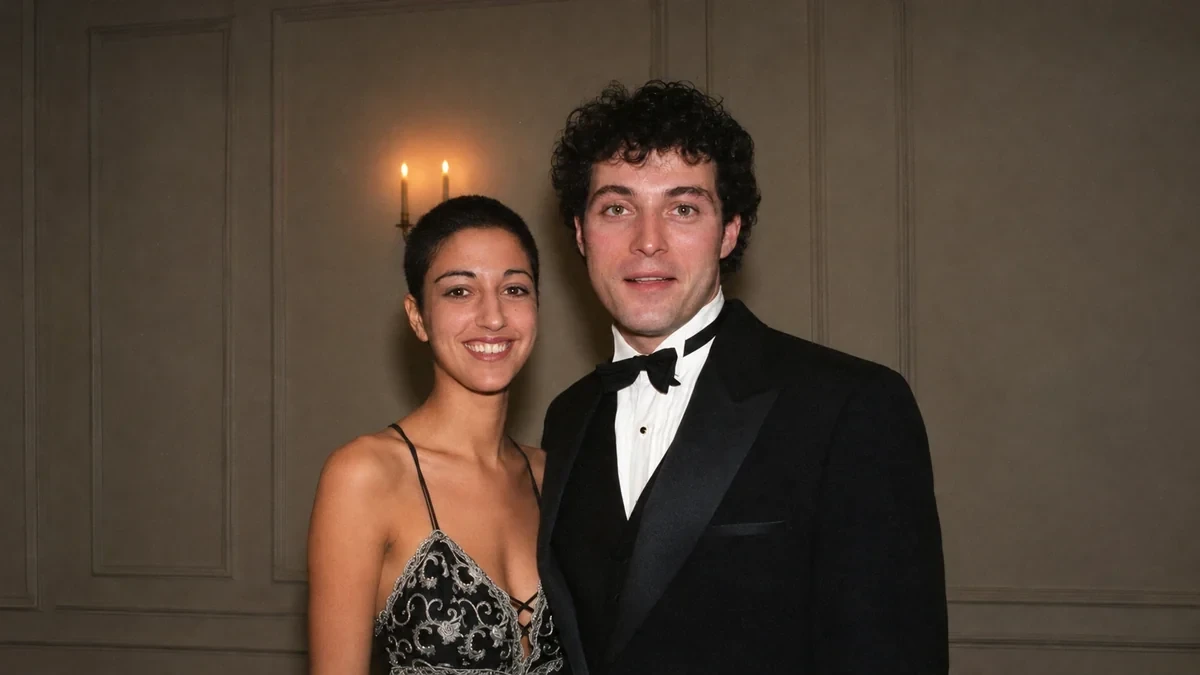
An editorial photograph from the premiere of Dark City on 25 February 1998 identifies Rufus Sewell and Yasmin Abdallah together.
Their marriage ended around 2000. Later reporting describes it as brief, although accounts differ over its precise duration.
Rufus Sewell subsequently continued his acting career, appearing in television, film and theatre productions.
Abdallah, meanwhile, became increasingly established within London’s fashion industry.
Her later family life
Vogue’s 2013 profile identified Kyle Robinson as Sewell’s husband at that time.
British Vogue subsequently described her as a mother of two boys in June 2021.
Those descriptions establish her family circumstances during the periods covered by the articles. They do not establish her present marital status or a complete current family count.
Her relationship with Rufus Sewell remains an identifiable part of her public history, but it accounts for only a short period within a much longer professional career.
Sydney upbringing and the move to London
Yasmin Sewell grew up in Sydney, Australia, in a family with Lebanese heritage.
In a November 2025 interview with PUSS PUSS Magazine, she discussed her upbringing, early employment and the circumstances that preceded her move to London.
She said she left school at 15 and began working rather than following a conventional university route.
One of her early jobs was in real estate.
According to her account, she had taken on substantial responsibilities within the business by the age of 17.
These early experiences are relevant to her subsequent career because they involved direct customer contact and commercial responsibilities before she entered fashion retail.
Sewell moved to London in 1996.
The British capital offered access to a fashion market in which independent boutiques operated alongside established luxury department stores.
She eventually worked as a window dresser at Browns, the London fashion retailer.
In an October 2014 interview with Into The Gloss, Sewell described becoming familiar with the conventions of luxury retail and developing her own ideas about how customers should be treated.
She was particularly interested in making fashion shopping feel less intimidating.
That idea became important when she established her first independent store.
Yasmin Cho established her position in fashion retail
Sewell opened a boutique called Yasmin Cho on Poland Street in London’s Soho district.
In a 2018 interview with Hypebae, she identified 1999 as the year she opened the business.
The store became an early example of her interest in independently selected fashion rather than relying exclusively on established luxury labels.
Her approach focused on presenting clothing in a setting that felt more accessible to customers.
The boutique also provided practical experience in buying, merchandising and establishing relationships with designers.
Those responsibilities differ considerably from styling clothing for photographs or developing a personal fashion image.
A boutique owner must decide which designers to stock, select products, understand customers and make commercial decisions about the store’s direction.
Sewell’s later buying and consultancy roles developed this part of her experience.
Her business history also included involvement in the independent fashion label Être Cécile.
By the time she was working with major London retailers, she had experience on both sides of the fashion business: selecting products for sale and developing independent creative projects.
Browns and Liberty expanded her influence
Sewell’s work at Browns became one of the defining periods of her fashion career.
She served as buying director at the retailer during the mid-2000s.
Fashion buying involves identifying designers and collections that suit a retailer’s customers while making decisions about which products deserve commercial support.
For emerging designers, a placement in an established fashion store can provide valuable exposure and access to customers.
Sewell became associated with identifying and supporting designers early in their careers.
In her 2013 Vogue profile, Sarah Mower credited her with helping introduce Christopher Kane’s work at Browns in 2006.
The same article described her encouragement of J.W. Anderson’s development into womenswear after encountering his menswear at Liberty in 2009.
These examples explain why Sewell’s reputation extended beyond her own clothing choices.
Her work involved decisions about which designers would receive space and attention within influential fashion retailers.
They do not establish that she was solely responsible for either designer’s later success.
Recognition in 2012
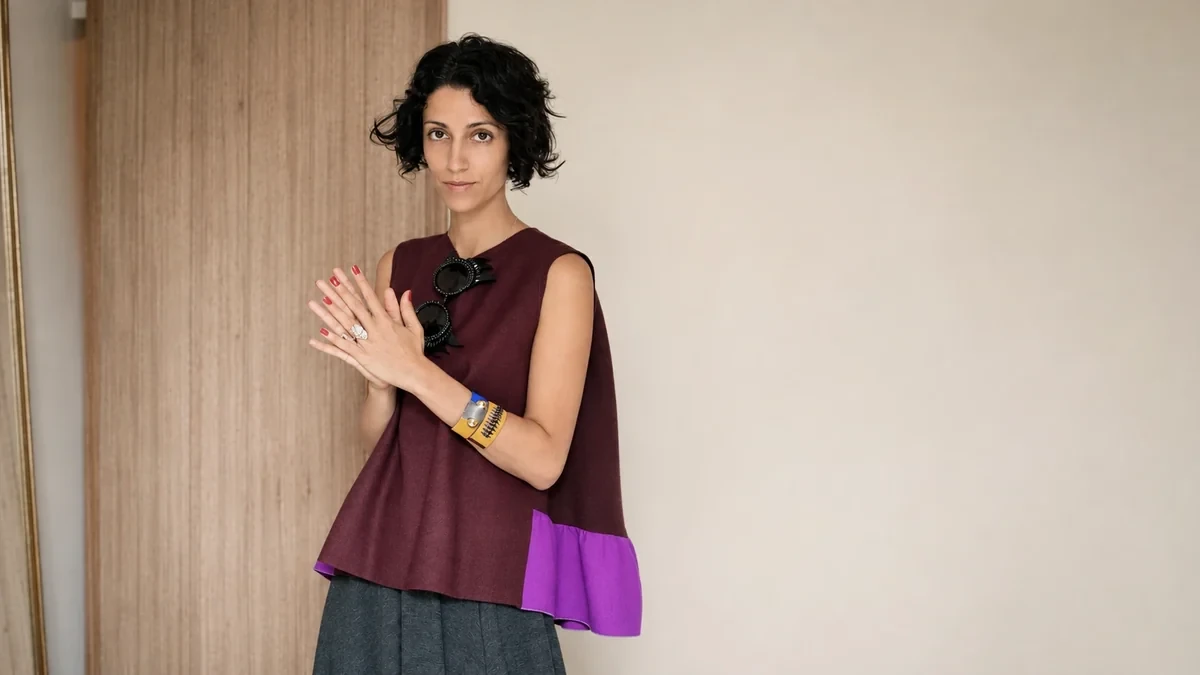
Sewell’s professional contribution received formal recognition in 2012.
The Australia Foundation named her Young Australian Achiever of the Year in the UK.
The organisation’s award record recognised her career in fashion and her support for emerging talent.
The distinction was specifically connected to her achievements as an Australian working in Britain.
By this stage, Sewell had developed experience across independent retail, major fashion buying and creative consultancy.
Her next significant appointments would involve digital fashion platforms.
Style.com and Farfetch brought new responsibilities
In November 2015, Sewell was appointed Style.com’s first fashion director.
The appointment came during a period when fashion businesses were adapting their editorial and commercial operations for online audiences.
Her responsibilities placed her within a business connecting fashion content, creative direction and digital retail.
The role followed years of experience selecting designers and developing fashion concepts for physical stores.
In August 2017, British Vogue reported another appointment.
Sewell joined Farfetch as vice president of style and creative.
Farfetch operated as an online luxury fashion marketplace, making the role different from buying for an individual boutique or department store.
Her responsibilities included elements of styling, content and creative direction.
The position drew on the same understanding of designers and retail customers that had shaped her earlier career.
However, the scale and format of the work had changed.
Instead of concentrating on the selection of clothing within a particular London store, she was contributing to how fashion was presented through a digital platform.
Sewell left her major Farfetch role around 2018.
In later interviews, she described becoming interested in developing a business of her own outside conventional fashion retail.
That decision eventually led to Vyrao.
Fragrance became her next business
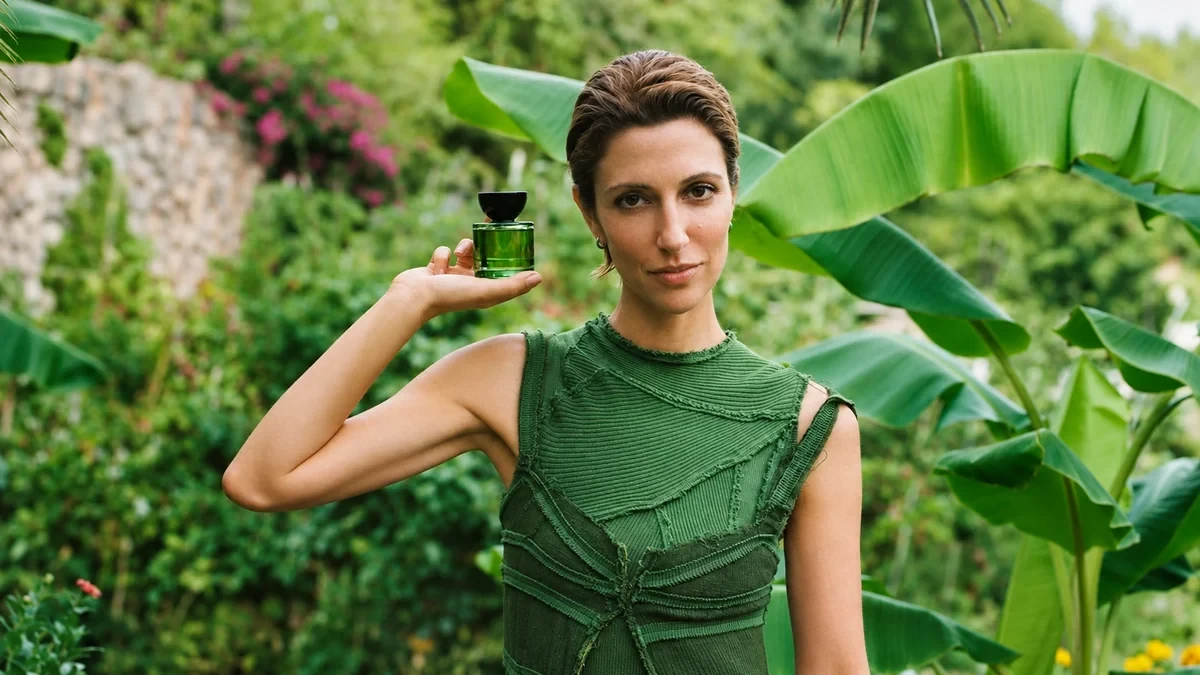
Vyrao launched in 2021 as a fragrance brand combining contemporary perfumery with ideas associated with emotional wellbeing.
Although the business represented a change in product category, Sewell had previous commercial experience with fragrance.
In a February 2026 interview with Monocle, she recalled working on the introduction of Frédéric Malle fragrances at Liberty and Escentric Molecules at Browns.
That experience had brought her into contact with fragrance brands while she was still working in fashion.
Sewell told Monocle that she began conceptualising Vyrao in 2019.
She initially considered products more commonly associated with wellbeing, including ingestible products, before deciding to concentrate on fragrance.
The decision allowed her to bring together product development, creative direction and her interest in scent.
Vyrao’s positioning reflects Sewell’s belief that fragrance can be connected to emotion and personal experience.
The brand discusses ingredients, mood and sensory associations in its product communications.
Those descriptions should be understood as part of the company’s approach to fragrance. They do not establish that its products deliver specific medical or psychological outcomes.
The launch was delayed during the pandemic
Sewell originally intended to launch Vyrao in 2020.
In her February 2026 Monocle interview, she said the pandemic disrupted those plans and that investors withdrew their support.
She described using personal savings and assistance from friends while continuing to develop the company.
Vyrao eventually launched in 2021.
Her account provides a more detailed explanation of the company’s beginnings than a simple founding date.
It also establishes that the business emerged from a longer development process rather than appearing immediately after she left Farfetch.
How Sewell approaches fragrance development
Sewell has described a creative process that begins with the feeling she wants a fragrance to evoke.
In the Monocle interview, she explained that the scent is developed alongside decisions about colour, packaging and the language used to present the finished product.
She characterised this process as taking approximately two years.
The approach reflects her earlier responsibilities in fashion, where selecting products and developing the way they are presented are closely connected.
Vyrao’s development has also involved established creative professionals and perfumers.
Sewell identified creative director Jaime Perlman as a collaborator in the brand’s visual development.
Perfumers associated with its products include Lyn Harris and Meabh Mc Curtin.
Their involvement illustrates the collaborative nature of fragrance development.
A founder may establish a product’s creative direction, but the technical work of composing and refining a fragrance involves specialist knowledge and expertise.
Vyrao attracted investment before its acquisition
Vyrao’s ownership changed in stages as the company developed beyond its initial launch.
In March 2023, the company announced an investment involving Estée Lauder Companies’ New Incubation Ventures group.
The investment was presented as a minority position.
It marked an important development for a young fragrance company seeking to expand its commercial operations.
A minority investment allows an external investor to acquire a stake without necessarily taking majority control of the business.
For a growing brand, this can provide capital and access to additional business relationships while the founder and existing investors retain ownership interests.
In September 2024, another funding development was reported.
Business of Fashion identified a minority investment led by Elevate Beauty, associated with investment firm L Catterton.
The funding added another stage to Vyrao’s development before the eventual majority acquisition.
In her February 2026 Monocle interview, Sewell said the company had completed three fundraising rounds.
The individual details of every round were not fully disclosed in the material accompanying that account.
Still, the publicly announced investments establish a clear sequence of external financing between Vyrao’s launch and its 2026 sale.
Product development continued in 2026
The company continued introducing new fragrances during this period.
On 6 August 2026, Vyrao announced Ever 11, described as its eleventh fragrance.
Perfumer Meabh Mc Curtin was involved in developing the scent.
The launch demonstrated that the company was continuing to expand its product range shortly before the ownership transaction became public.
Vyrao also expanded its offering into scented body-care products.
These developments are relevant because the September acquisition concerned an operating fragrance business with an established product range and international distribution.
Industry reporting in September 2026 described Vyrao as having a presence across approximately 20 countries.
That figure describes the company’s reported international reach at the time, not its revenue or profitability.
Tresalis acquired majority ownership in September 2026
Vyrao’s most significant recent corporate development took place in September 2026.
Industry publications BeautyMatter and TheIndustry.beauty reported the acquisition on 28 September.
The company then issued a formal announcement on 30 September confirming that Tresalis had acquired majority ownership of Vyrao.
Tresalis was described as a newly established healthcare and beauty platform associated with investors including Munich-based ATHOS.
Vyrao was identified as the platform’s first acquisition.
According to Vyrao’s official acquisition announcement, Sewell retained a minority equity interest and continued as the company’s Chief Brand Officer.
Existing investors also retained minority interests.
The transaction therefore changed who held the controlling ownership stake without ending Sewell’s involvement in the business.
The difference between ownership and creative leadership
The distinction between majority ownership and brand leadership is central to understanding Sewell’s position after the transaction.
A majority shareholder holds more than half the relevant ownership interest and generally has substantial influence over corporate decisions, subject to the company’s governance arrangements.
A Chief Brand Officer is responsible for aspects of how a brand is developed, positioned and presented.
The role can involve product direction, creative decisions, communications and longer-term brand strategy.
These responsibilities do not necessarily require the executive to own a majority of the company.
Under the arrangement announced in September 2026, Tresalis became Vyrao’s majority owner and operating partner.
Sewell remained responsible for the brand’s creative and strategic direction, according to the company’s statement.
The announcement did not establish that she retained unrestricted corporate control or unilateral authority over every business decision.
The acquisition price was not disclosed
The financial value of the transaction was not publicly disclosed.
FRP Advisory’s transaction record confirms that its corporate finance team advised Vyrao on the sale.
The adviser describes the transaction as taking place in September 2026 and records the deal consideration as undisclosed.
This matters because the sale cannot responsibly be used to calculate Sewell’s personal wealth.
The value of a business transaction is different from the proceeds received by an individual shareholder.
A founder’s financial position also depends on ownership percentages, other assets and liabilities, and the specific terms of a deal.
None of those details can be established from an undisclosed acquisition price.
Sewell’s current role remains centred on Vyrao
As of 15 November 2026, Sewell’s latest documented principal position was founder and Chief Brand Officer of Vyrao.
The September transaction established that she retained a minority ownership interest while the new majority shareholder took responsibility for the business’s broader ownership and operating structure.
Her continuing role fits the work she has described in earlier interviews.
She has been involved in defining fragrance concepts, selecting creative collaborators and developing the visual identity surrounding Vyrao’s products.
The acquisition announcement indicates that these responsibilities remained central to her position under Tresalis.
It also represents a change from the earlier period when Vyrao was primarily described through Sewell’s independent entrepreneurial leadership.
She continues to be publicly associated with the company she created, but its ownership structure is now different.
Recognition beyond fashion retail
Sewell’s move into fragrance has also brought recognition outside her earlier fashion roles.
In September 2025, Vogue Business included her in its 100 Innovators selection, under its beauty-related coverage.
The selection recognised her work within the beauty sector.
It was an editorial recognition rather than a measure of Vyrao’s financial performance or a formal industry-wide ranking.
The distinction nevertheless reflects a documented change in the type of business for which Sewell is publicly recognised.
Earlier coverage concentrated on her buying decisions, designer relationships and fashion consultancy.
By 2025 and 2026, much of her professional reporting concerned Vyrao, its product development and its financing.
Her age and Australian background
Sewell’s Australian background has remained part of her professional identity throughout her London career.
She grew up in Sydney in a family of Lebanese heritage and later built much of her fashion career in Britain.
Her precise date of birth is less firmly documented.
British Vogue described her as 45 in June 2021. A profile published in 2026 described her as turning 50 that year.
Those accounts place her at approximately 50 in 2026, although they do not establish an exact birthday.
Her public career chronology is more clearly documented than many of the personal statistics repeated across celebrity biography websites.
Her professional appointments, award, company launches and business transactions provide dated milestones that explain her work without relying on unsupported biographical details.
The Bottom Line
Yasmin Abdallah’s documented career extends well beyond her brief marriage to Rufus Sewell. Her work in fashion buying and creative direction preceded the launch of Vyrao, where she developed a new business around fragrance. The September 2026 acquisition changed the company’s ownership, but its founder remained involved in shaping the brand. As of 15 November 2026, Yasmin Sewell’s documented position was founder, Chief Brand Officer and minority shareholder of Vyrao, with Tresalis holding the majority stake.
More from instantmag.co.uk.
