

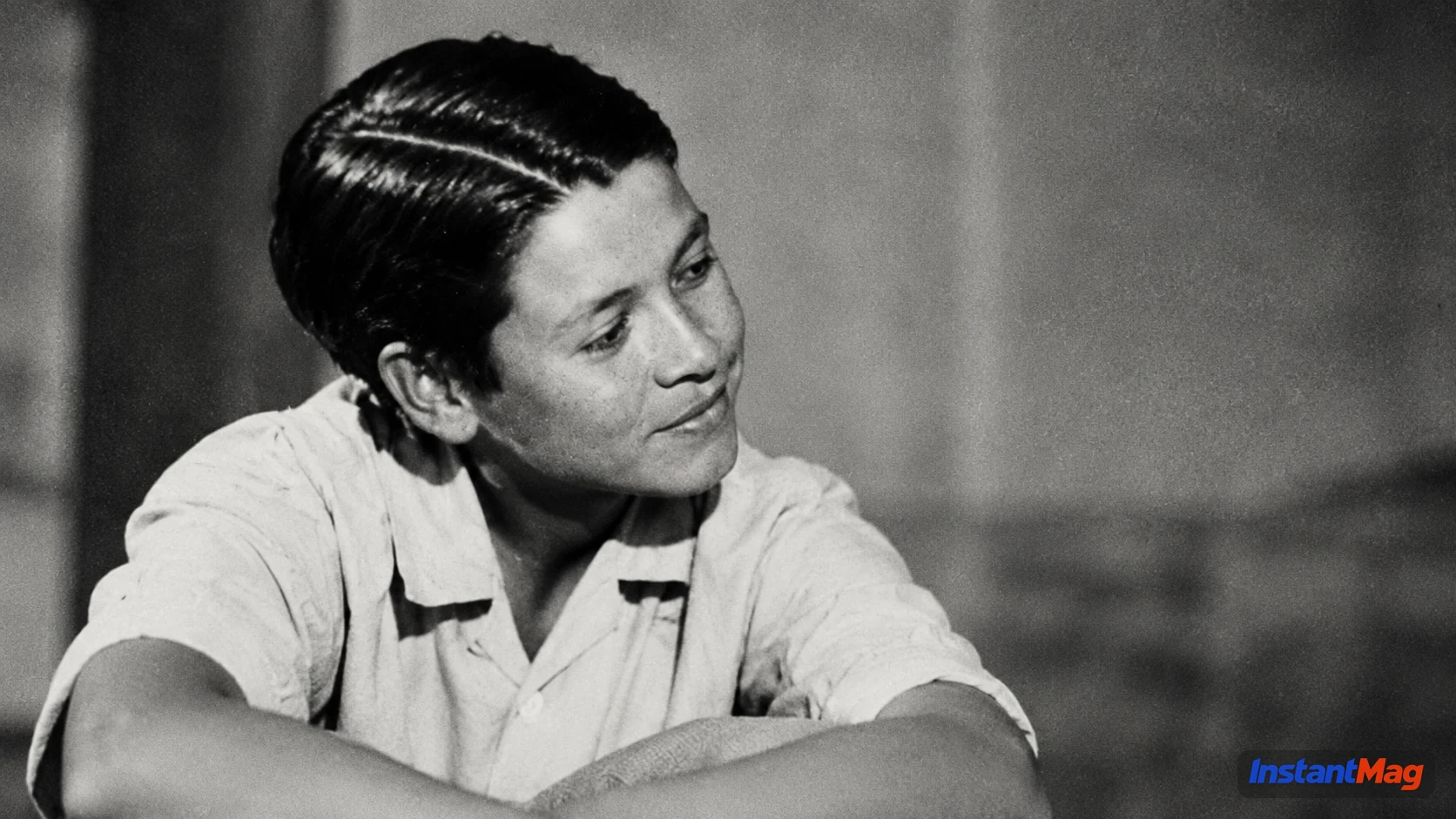
Pablo Huston is the Mexican-born adopted son of American film director John Huston and actress Evelyn Keyes. He became part of the Huston family in 1947, after meeting the couple during the filming of The Treasure of the Sierra Madre in Mexico. Contemporary accounts describe him as a boy of approximately 12 or 13 at the time.
Although Pablo grew up connected to one of Hollywood’s most recognisable filmmaking families, his own life is less extensively documented. Historical magazine coverage and journalist Lillian Ross’s reporting provide details about his childhood and early years in California. His later professional life and present circumstances are less clearly established.
Key takeaways
- Family: Pablo Huston was adopted by filmmaker John Huston and actress Evelyn Keyes in 1947.
- Background: He came from Mexico and was living around Jungapeo, Michoacán, according to a December 1947 Modern Screen article.
- Age: Historical accounts describe him as approximately 12 or 13 when he joined the Huston family.
- Early life: Journalist Lillian Ross documented Pablo’s place in John Huston’s family during the early 1950s.
- Later life: Pablo has no established public film career, and reliable information about his current circumstances remains limited.
Pablo Huston profile summary
| Field | Details |
|---|---|
| Name | Pablo Huston |
| Historical name | Pablo Albarran Huston |
| Known for | Adopted son of director John Huston and actress Evelyn Keyes |
| Country of origin | Mexico |
| Childhood location | Jungapeo, Michoacán, according to 1947 reporting |
| Approximate age at adoption | 12–13 |
| Adoption period | 1947 |
| Adoptive father | John Huston |
| Adoptive mother | Evelyn Keyes |
| Adoptive grandfather | Walter Huston |
| Family connections | Anjelica Huston, Tony Huston, Danny Huston and Allegra Huston |
How Did Pablo Huston Become John Huston’s Adopted Son?
Pablo’s connection to Hollywood began in Mexico in 1947, when John Huston was directing The Treasure of the Sierra Madre.
The film starred Humphrey Bogart, Tim Holt and John’s father, Walter Huston. According to the American Film Institute Catalog, production took place between March and July 1947, including several weeks of filming in Mexico.
During this period, Huston encountered a young Mexican boy named Pablo Albarran.
A feature titled I Will Be Your Son!, attributed to Abigail Putnam and published in the December 1947 issue of Modern Screen, places Pablo in Jungapeo, a community in the Mexican state of Michoacán.
The article describes him helping members of the film production with small tasks. It also identifies him as an orphan, a description repeated in later accounts of the adoption.
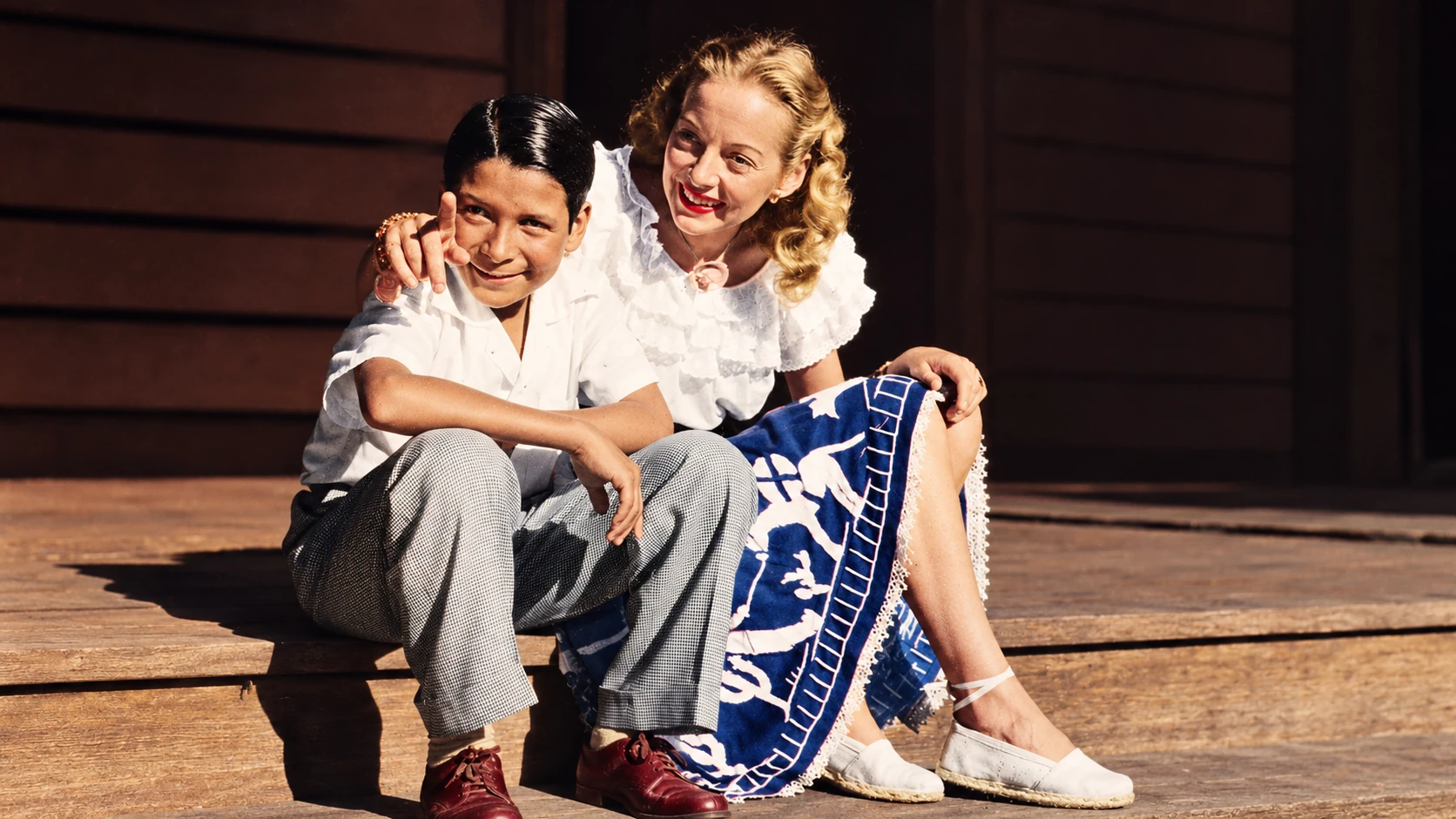
According to the contemporary magazine story, John Huston and Evelyn Keyes discussed taking Pablo into their family. Local authorities reportedly helped arrange guardianship, allowing the boy to travel to the United States with Huston.
The account describes John’s arrival with Pablo as a surprise for Evelyn, although it also indicates that the couple had previously discussed adopting him.
The magazine’s detailed conversations reflect the storytelling style of Hollywood publicity journalism in the 1940s. However, the central adoption is supported by later historical reporting.
When John Huston died in August 1987, the Los Angeles Times obituary identified Pablo as one of his adopted children and connected their meeting to the production in Mexico.
The encounter therefore belongs to 1947, rather than 1948, the year The Treasure of the Sierra Madre reached cinemas.
What Was Pablo Huston’s Early Life Like in California?
Moving from Mexico to California brought Pablo into a household closely associated with the American film industry.
John Huston and Evelyn Keyes had married in 1946. Keyes was already an established actress, known particularly for playing Suellen O’Hara in Gone with the Wind. John had directed The Maltese Falcon and was developing the body of work that would make him one of Hollywood’s best-known filmmakers.
The December 1947 Modern Screen feature provides several details about Pablo’s adjustment to his new surroundings.
According to the article, Pablo received English lessons from a tutor after arriving in California. It also describes Walter Huston, his adoptive grandfather, spending time teaching him baseball.
These small details offer a glimpse of his childhood within the family. They come from the contemporary magazine account rather than a comprehensive record of his upbringing.
The story also describes Pablo’s interest in reading and drawing.
A later reference to his reading came from John Huston himself.
John Huston’s comments about Pablo
In 1950, journalist Lillian Ross began following John Huston during the making of The Red Badge of Courage. Her reporting was published in The New Yorker in 1952.
Ross recorded conversations in which Huston openly referred to Pablo as his adopted son.
During one discussion, Huston spoke about the boy’s reading interests, including Shakespeare. His remarks provide a particularly useful contemporary acknowledgment of Pablo’s place in the family.
The first instalment of Ross’s reporting, published in the May 24, 1952 print issue, also connects Pablo with Huston’s California ranch.
This account establishes that Pablo remained part of Huston’s family life several years after the adoption.
Pablo’s appearance at a film screening
Ross documented another occasion involving Pablo during the early 1950s.
In the third instalment of her New Yorker account, published June 7, 1952, she describes Pablo attending a screening connected with The Red Badge of Courage.
She identifies him as Huston’s 15-year-old adopted son.
This is a significant detail because it places Pablo within a documented event involving his father and the film industry after his initial arrival in America.
It does not, however, establish that Pablo worked on the film or pursued acting himself.
Pablo Huston’s Relationship With the Huston Family
Pablo’s adoption connected him to several generations of performers, writers and filmmakers.
His adoptive grandfather, Walter Huston, was an accomplished stage and screen actor. Walter appeared in The Treasure of the Sierra Madre, the production during which Pablo encountered the family.
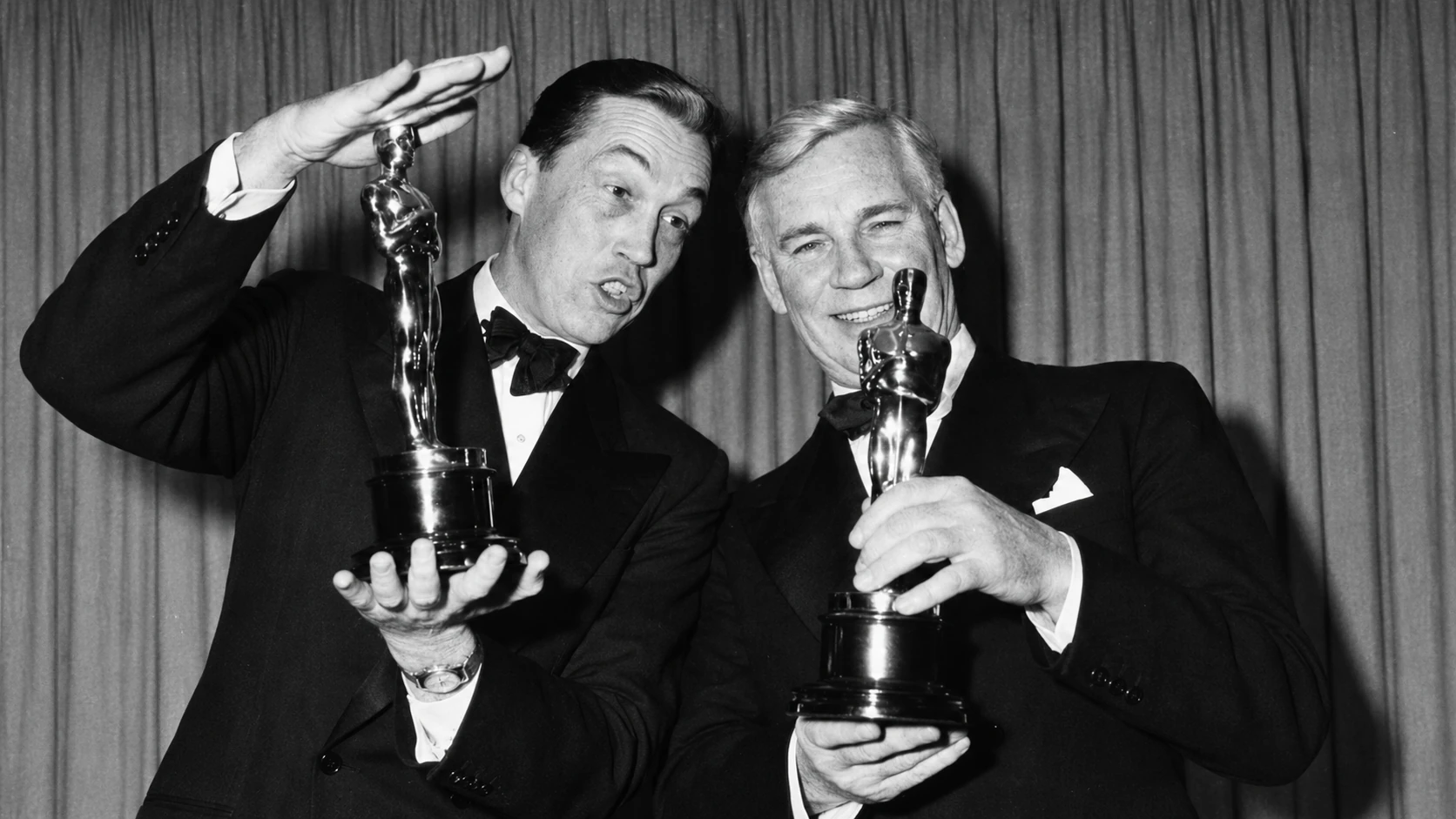
The film subsequently earned John Huston Academy Awards for directing and screenwriting, while Walter won Best Supporting Actor.
As the American Film Institute records, their wins made them the first father and son to receive Oscars for the same film.
Pablo’s wider family also included several people who developed careers in entertainment.
Anjelica Huston, John’s daughter with actress Enrica Soma, became an Academy Award-winning actress and director. Tony Huston worked as a screenwriter, while Danny Huston became an actor and filmmaker. Allegra Huston, who was raised and adopted by John, became a writer.
Pablo was related to these family members through his adoption by John Huston.
Unlike several of his siblings, however, Pablo does not have a substantial, established body of public screen work associated with his name.
His historical significance comes primarily from his documented connection to the Huston family and the circumstances of his adoption.
What Happened to Pablo Huston Later in Life?
Pablo’s early years with the Hustons appear in contemporary magazine coverage and Lillian Ross’s reporting, but his adult life is less extensively documented.
John Huston and Evelyn Keyes divorced in 1950. Historical accounts continued to identify Pablo as their adopted son.
The Encyclopedia of World Biography, available through Encyclopedia.com, reports that Pablo and John eventually became estranged and lost contact.
Writer Jeffrey Meyers also refers to estrangement in an essay for The London Magazine. Neither account establishes the precise circumstances or reasons for the reported breakdown in contact.
Although some modern biographies describe Pablo as an artist or filmmaker, his professional career has not been reliably established through documented credits or comparable records.
There is also no reliable public confirmation of whether Pablo Huston is alive or deceased as of October 2026.
The absence of a detailed adult biography should not be taken as evidence that he deliberately rejected Hollywood or chose a particular way of life.
What can be established is that he joined the Huston family as a child in 1947 and remained publicly acknowledged as John Huston’s adopted son in subsequent historical accounts.
That documented family connection, together with the contemporary descriptions of his childhood in Mexico and California, forms the most reliable account of Pablo Huston’s life.
