

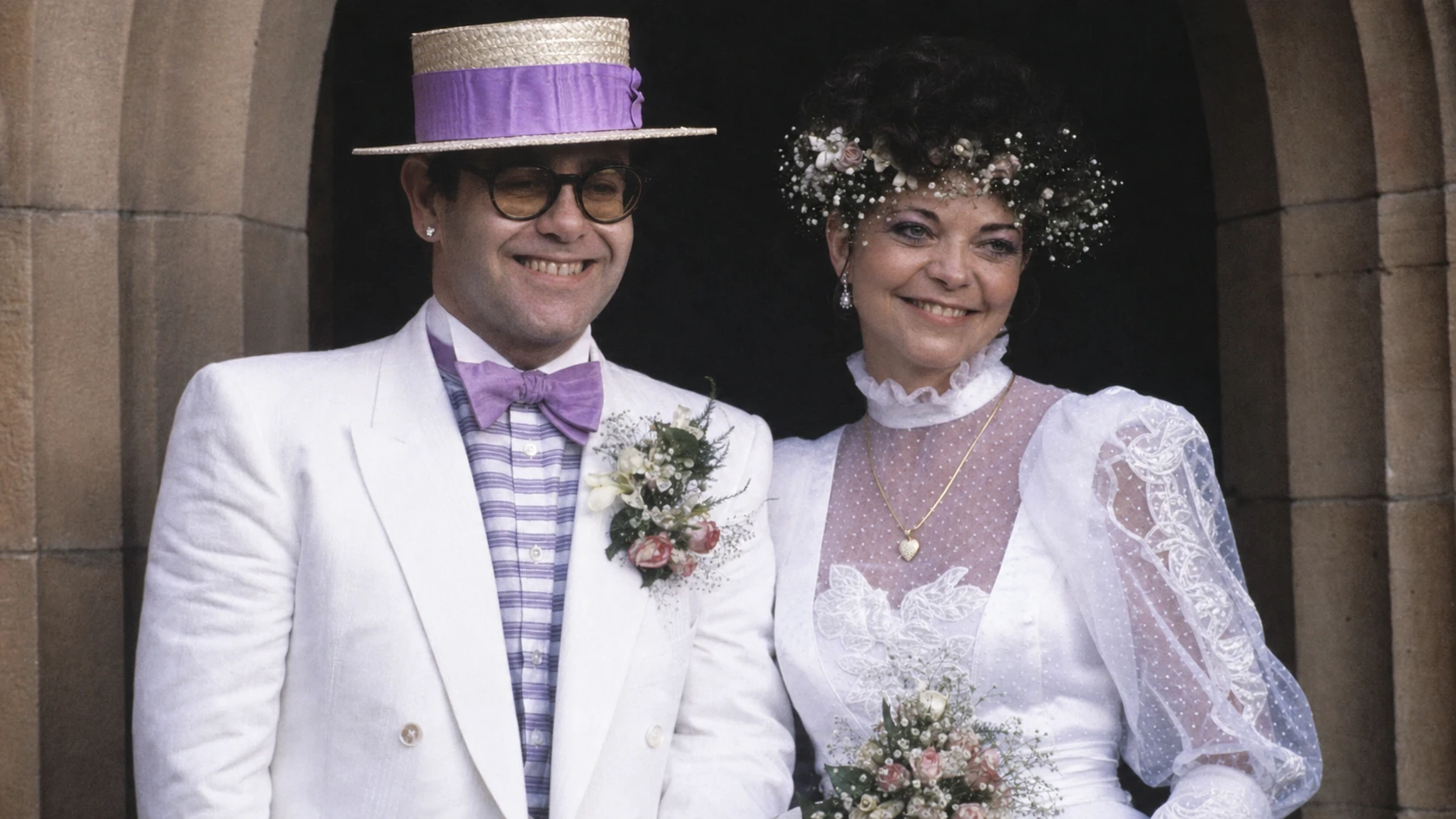
Renate Blauel is a German-born sound and recording engineer whose professional credits include work connected with Mike Oldfield, Marvin Gaye, Paul McCartney, the Human League and Elton John. She is also widely known as Elton John’s former wife: the two married in Sydney on 14 February 1984 and divorced in 1988.
That marriage has dominated most public accounts of Blauel’s life, but it is only part of her story. Before she became a subject of international press attention, she had already built a career in recording studios. Decades later, she returned to the headlines not through new celebrity activity but through a privacy dispute with John that was settled in 2020.
Reliable information about Blauel is relatively limited, particularly about her early life and present circumstances. Even contemporary reports conflict over her age at the time of her wedding, so a precise birth date or current age cannot be stated confidently. What can be established is a narrower but more substantial public profile: an experienced recording professional whose private life became far more visible than her career.
A recording engineer before the headlines
Blauel worked in the technical side of the recording industry during a period when her credits placed her around several major artists.
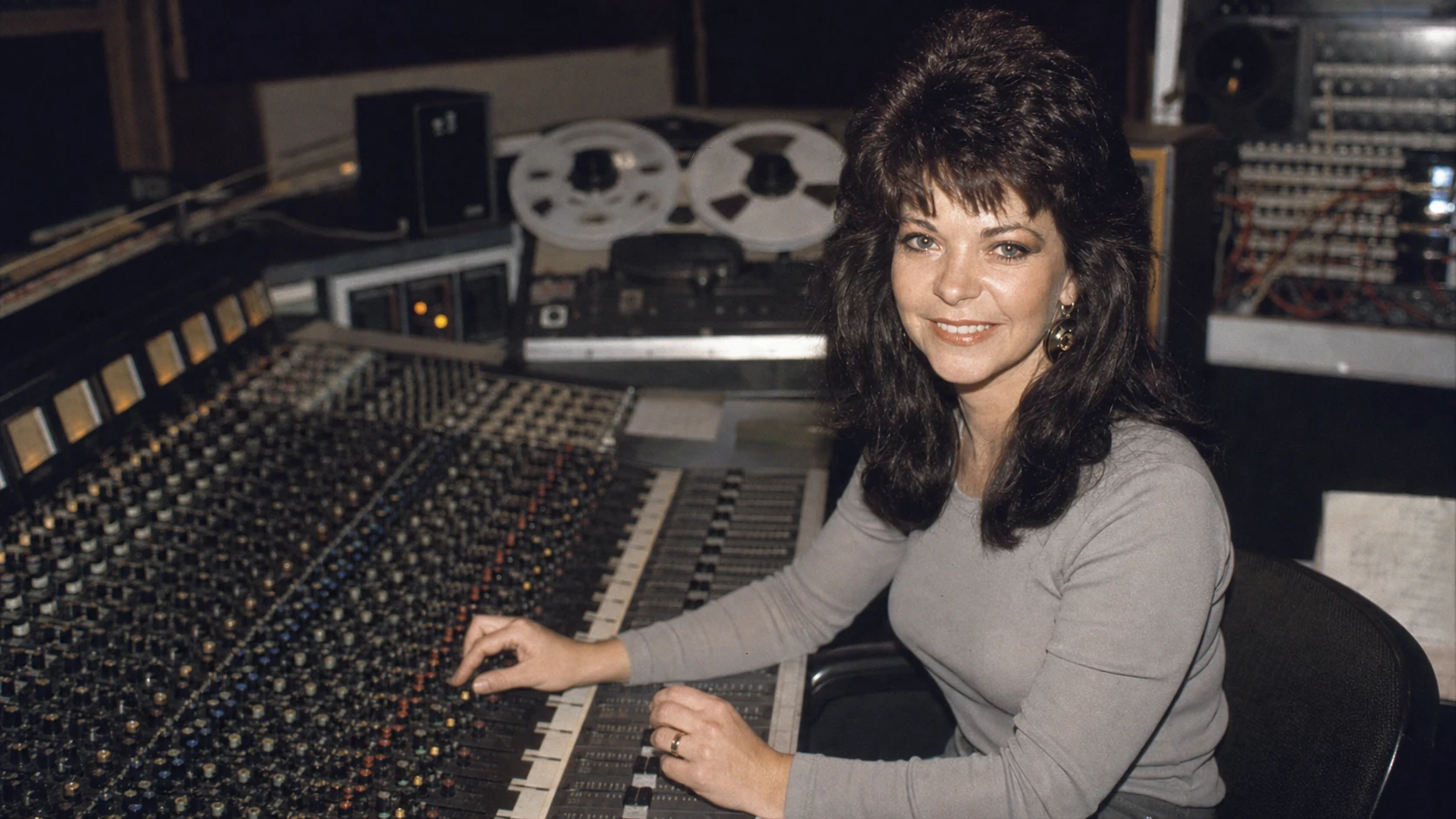
A 1979 release of Mike Oldfield’s Platinum credits her as an assistant engineer. She also received engineering-related credit on Marvin Gaye’s In Our Lifetime, while specialist recording databases identify her as an assistant recording engineer on Paul McCartney’s “Here Today,” associated with Tug of War.
Her credits also extend to the Human League’s Hysteria and Elton John’s Breaking Hearts. The exact role varies by project, which matters: Blauel should not simply be described as the producer or principal engineer of every album with which her name is associated. The available records identify work ranging from assistant engineering to recording engineering.
Taken together, those credits show that her professional identity was established independently of her marriage. She was not simply someone who entered the music business through Elton John; she was already working in recording environments involving internationally known performers.
The Too Low for Zero sessions and meeting Elton John
Blauel met John during the period in which he was recording his 1983 album Too Low for Zero. Contemporary UPI reporting described her as a recording engineer working in that setting while the album was being made on Montserrat.
That connection has sometimes been simplified into the claim that Blauel was the recording engineer for Too Low for Zero. The surviving album credits do not support that wording. Bill Price is identified as the recording engineer, while Blauel appears under “Special Thanks” on at least one documented edition.
The distinction is important. The evidence supports that Blauel was working professionally around the sessions in which she met John, but not that she held the album’s principal recording-engineer credit.
Their relationship developed quickly enough that, by February 1984, it had become international news.
Marriage to Elton John
Blauel and John married on Valentine’s Day, 14 February 1984, at St Mark’s Anglican Church in Darling Point, Sydney.
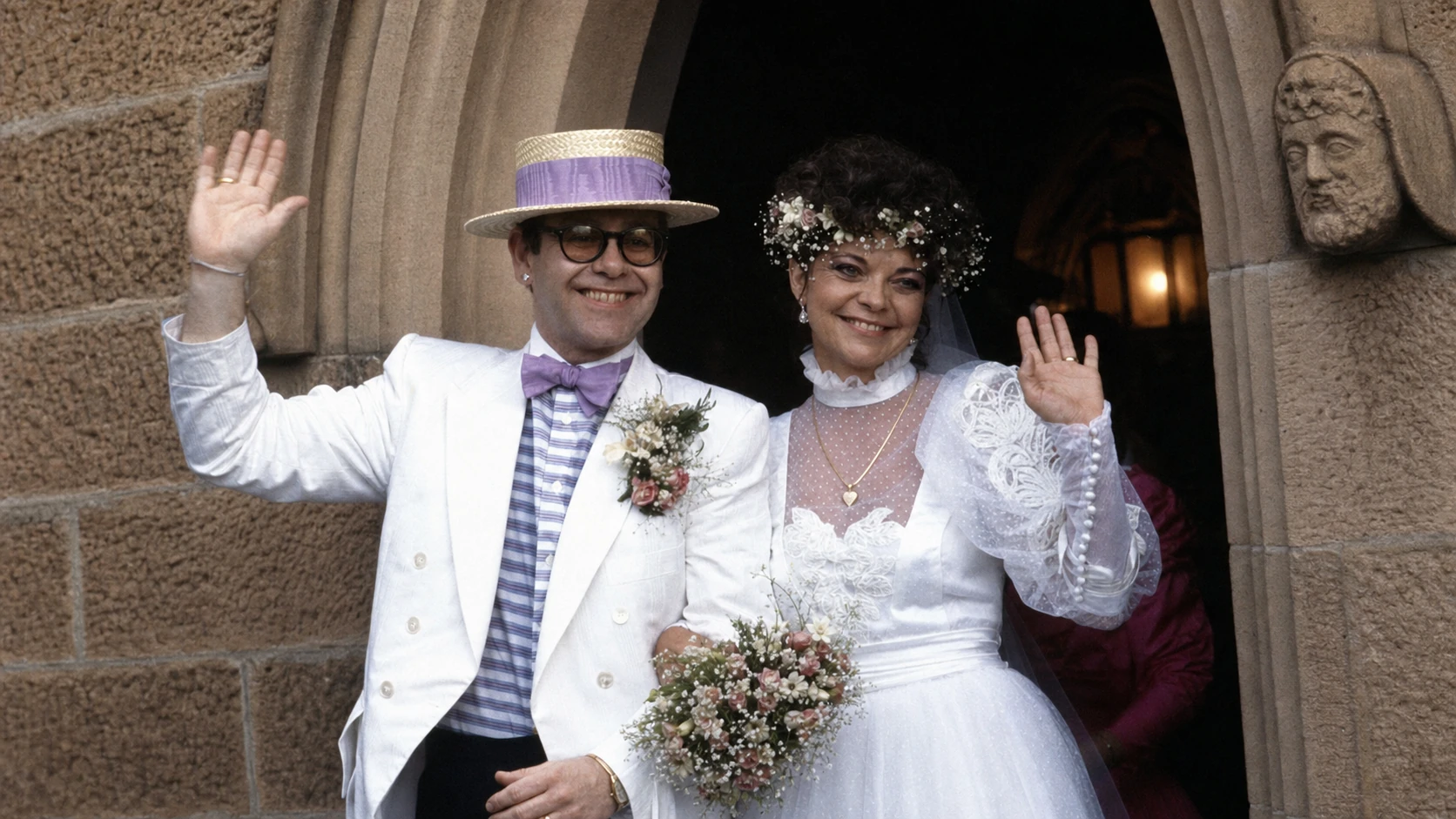
Contemporary reports identified Blauel by her profession as a sound or recording engineer. The marriage attracted considerable attention because John was already one of the world’s most famous musicians, but the public record gives far less insight into Blauel’s own perspective on the relationship.
The marriage lasted approximately four years and ended in divorce in 1988.
John has since spoken publicly about that period in the context of his sexuality and his difficulty, at the time, in being fully honest about himself and his circumstances. Those retrospective explanations are useful for understanding John’s account of the marriage, but they should not be treated as evidence of Blauel’s motives, feelings or experience. She has not developed an equivalent public narrative of the relationship.
That imbalance is significant. Much of what the public has heard about the marriage over the decades has come through John, while Blauel has largely avoided sustained public discussion of it.
Life outside the public eye
After the divorce, Blauel became markedly less visible in the public record.
There is no strong evidence supporting many of the details repeated by celebrity-biography websites about her later life. Claims about an exact birthplace, precise birth date, current residence, remarriage, children, wealth or present occupation are either poorly sourced or unsupported by authoritative public evidence.
Even her age cannot be stated with confidence. Two UPI reports published one day apart around the 1984 wedding gave conflicting ages. Without a stronger primary record, attaching a precise birth date or current age to her biography would create false certainty.
The same caution applies to claims about the financial terms of her 1988 divorce. Various figures have circulated online, but the available evidence does not establish a reliable amount.
What the later public record does show is that privacy became an important concern for Blauel.
The 2020 privacy dispute
In June 2020, Blauel began High Court proceedings against John. The case centered on allegations that material in John’s autobiography and discussion connected with the film Rocketman breached confidentiality or privacy obligations associated with their divorce agreement.
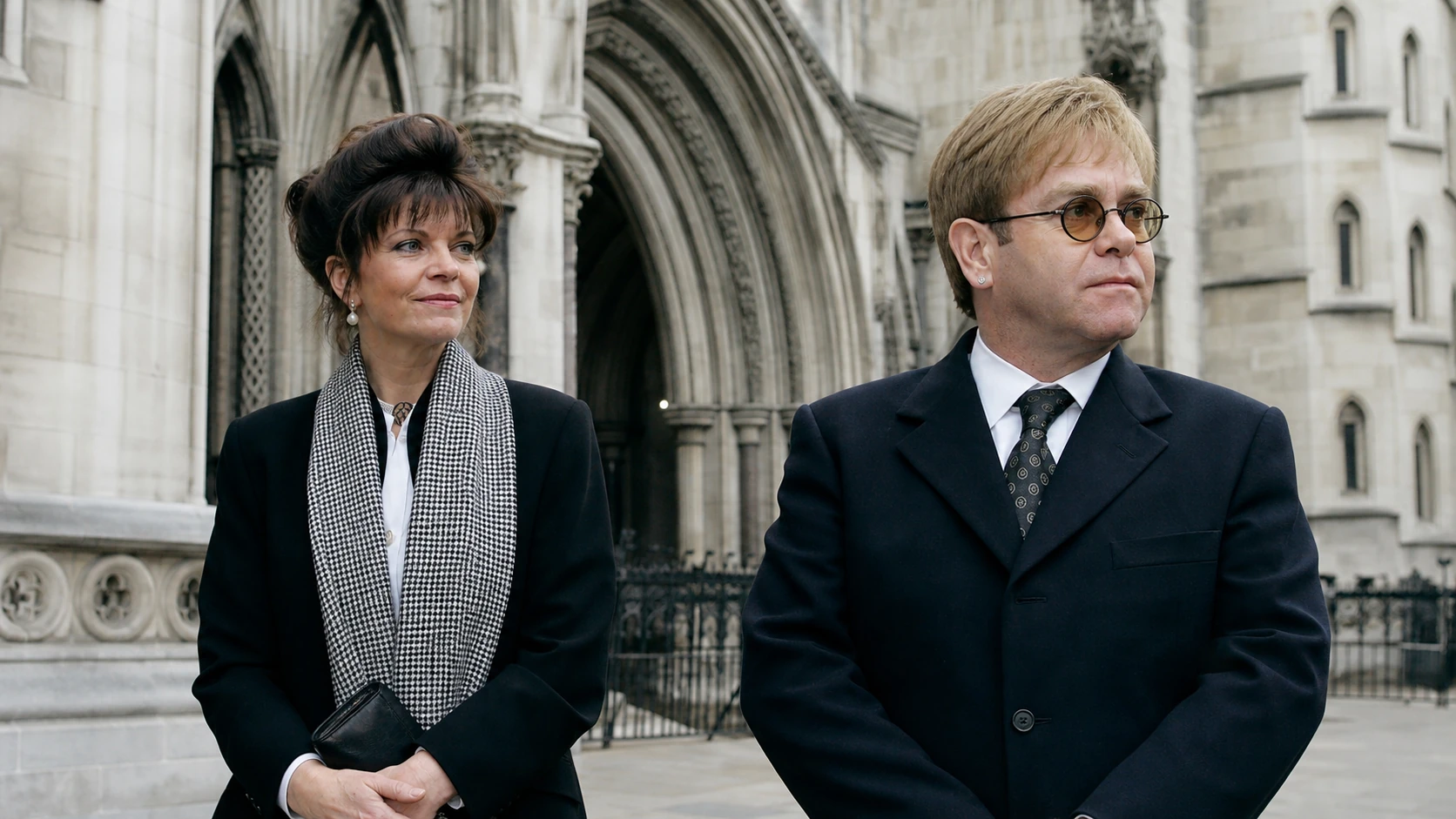
According to reporting on the court filings, Blauel’s lawyers argued that renewed public discussion of the marriage violated protections that had helped her maintain a private life after the divorce. Her side sought damages that were reported as potentially reaching about £3 million.
That figure was a claim for damages, not a settlement payment.
John’s lawyers disputed liability and argued, among other points, that relevant information was already public or fell outside the scope of the confidentiality agreement. Because the dispute was resolved without a full public trial, the competing allegations were not ultimately tested in a final judicial ruling.
The case was settled in October 2020. The parties issued a joint statement in which John’s side acknowledged Blauel’s desire for privacy, while Blauel acknowledged that John had acted respectfully toward her. They also agreed not to discuss one another or the marriage in future.
The detailed settlement terms were not made public. There is therefore no reliable basis for saying that Blauel received £3 million, or any other specific sum, as a result of the case.
What is known about Renate Blauel now
There is little authoritative information about Blauel’s present-day life.
No well-supported post-2020 interview, public appointment, new professional project, confirmed residence or other substantial public update has emerged in the available record through August 2026. That absence should not be interpreted as evidence that nothing has changed in her life; it simply reflects the limits of what is publicly documented.
It also fits the broader pattern of her public history. Blauel’s name has repeatedly appeared because other people or institutions brought attention to her—first through her marriage to one of the world’s most famous musicians, and later through a legal effort focused on protecting her privacy.
Her recording credits remain the clearest evidence of the career she built on her own terms. They place her in professional studio work connected with prominent artists well before the marriage became the defining fact in popular accounts of her life.
Final thoughts
Renate Blauel is best understood not simply as Elton John’s former wife, but as a recording engineer whose professional work preceded the celebrity attention that later surrounded her.
Her public record is unusually uneven: there is credible documentation of significant studio work, a well-reported four-year marriage and a clearly documented 2020 privacy dispute, but comparatively little reliable information about her early life or current circumstances. That gap is not a reason to speculate.
The most accurate profile is therefore also the most restrained one. Blauel had a real career in recording, became internationally known through her marriage to John, and later took legal action in an effort to preserve the privacy she had largely maintained after their divorce. Beyond those documented facts, much of her life remains where she has apparently preferred it to be: outside public view.
