

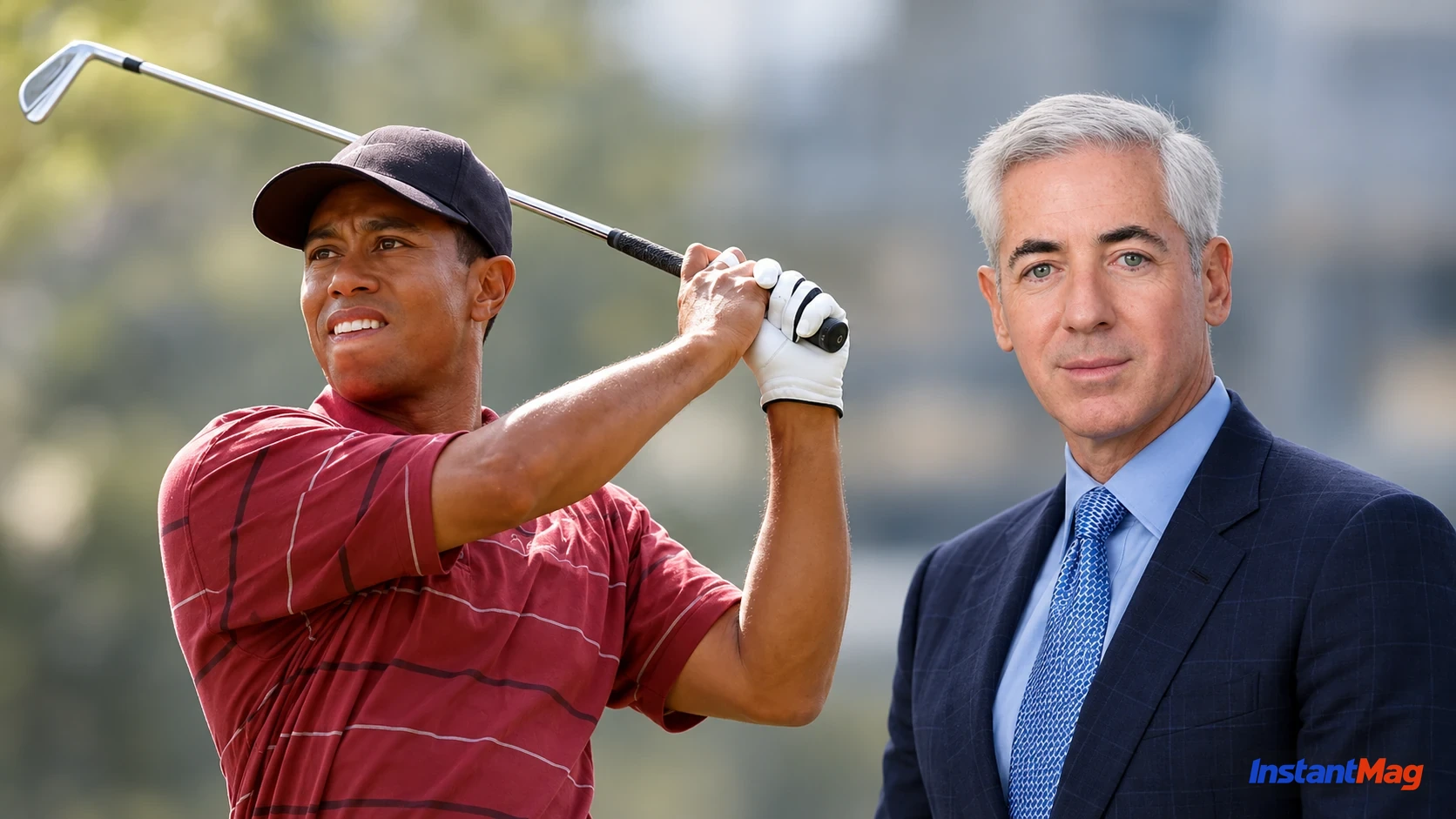
Tiger Woods and Bill Ackman are prominent figures in professional sports and finance, but there is no publicly documented direct business partnership, family relationship or confirmed personal friendship between them. Their clearest connection is Nike, the sportswear company that sponsored Woods for more than 27 years and attracted investments from Ackman’s firm, Pershing Square.
The connection gained attention in August 2024 when financial commentary about Ackman’s Nike investment mentioned Woods as an example of the company’s changing relationships with star athletes. However, there is no established evidence that Woods influenced Ackman’s investment decision or that the two men worked together.
Key takeaways
- Their connection is indirect: Tiger Woods was a longtime Nike ambassador, while Bill Ackman’s Pershing Square invested in Nike during 2017–2018 and 2024–2025.
- Woods left Nike in January 2024, ending a sponsorship relationship that began when he turned professional in 1996, according to the Associated Press.
- Pershing Square disclosed a Nike investment worth approximately $229 million as of June 30, 2024, according to its SEC filing.
- Woods appeared in financial commentary about Ackman’s investment: An analyst quoted by Kiplinger discussed Nike’s changing athlete relationships, including Woods.
- Pershing Square exited its second Nike investment in 2025, as confirmed in the firm’s February 2026 investor presentation.
Tiger Woods and Bill Ackman profile summary
| Field | Details |
|---|---|
| Tiger Woods’ full name | Eldrick “Tiger” Woods |
| Tiger Woods’ profession | Professional golfer and entrepreneur |
| Woods’ major achievements | 15 major championships and 82 PGA TOUR victories |
| Woods’ business organization | TGR |
| Woods’ Nike partnership | 1996–January 8, 2024 |
| Bill Ackman’s professional role | Investor and founder of Pershing Square |
| Ackman’s corporate position | Chairman and CEO of Pershing Square Inc., as of October 2026 |
| Pershing Square’s Nike investments | 2017–2018 and 2024–2025 |
| Documented connection | Separate commercial associations with Nike |
| Direct business partnership | Not publicly established |
Woods’ professional achievements and business activities are detailed in his official biography, while Ackman’s executive position is confirmed by Pershing Square’s corporate profile.
How Tiger Woods and Bill Ackman are connected through Nike
Nike is central to understanding why Woods and Ackman are sometimes mentioned together.
Woods built his reputation through professional golf, winning 15 major championships and becoming one of the sport’s most commercially recognizable athletes. Ackman established his career in investment management, founding Pershing Square and investing in publicly traded companies.
Their respective relationships with Nike developed for different reasons.
Tiger Woods’ 27-year Nike partnership
Tiger Woods began representing Nike in 1996, the year he turned professional.
The partnership became one of the most recognizable athlete sponsorship arrangements in sports. Woods wore Nike apparel during some of the biggest victories of his career, including his major championship wins.
His association with Nike extended beyond ordinary advertising. The company developed golf products connected to his name and image, while his familiar red Sunday tournament shirt became closely associated with Nike’s golf identity.
On January 8, 2024, Woods announced that the partnership had ended.
The Associated Press reported that Woods’ agent, Mark Steinberg, confirmed the separation after more than 27 years.
The announcement marked a significant change in Woods’ commercial career. He subsequently moved forward with Sun Day Red, a golf apparel brand developed in partnership with TaylorMade.
That business development was separate from Ackman’s investment activities.
Bill Ackman’s first Nike investment came in 2017
Pershing Square’s involvement with Nike began years before its widely reported 2024 investment.
According to the firm’s 2017 annual report, Pershing Square established a position in Nike during 2017 and sold it after approximately four months.
Nike’s share price rose by 34% during the ownership period, according to the company.
In March 2018, Reuters reported that Pershing Square had made approximately $100 million from the investment, citing a person familiar with the transaction.
This earlier investment is relevant because Woods was still representing Nike at the time.
However, holding shares in a company that sponsors an athlete does not establish a business relationship with that athlete.
Pershing Square returned to Nike in 2024
Ackman’s firm made another investment in Nike in 2024, several months after Woods’ endorsement agreement ended.
An SEC filing submitted on August 14, 2024, showed that Pershing Square Capital Management held 3,040,132 Nike Class B shares, valued at approximately $229.1 million, as of June 30.
The holding was significant enough to attract financial-market coverage, particularly as investors were assessing Nike’s business performance and prospects for improvement.
The position subsequently increased. By December 31, 2024, Pershing Square reported holding approximately 18.8 million Nike shares.
These figures come from the firm’s June 2024 SEC filing and December 2024 holdings disclosure.
Unlike Woods’ endorsement arrangement, Pershing Square’s investment involved purchasing shares in Nike as a publicly traded business.
The firm was investing in Nike’s commercial prospects rather than entering a sponsorship or partnership arrangement with Woods.
Why Woods was mentioned in coverage of Ackman’s Nike investment
The connection between the two names became particularly visible in August 2024.
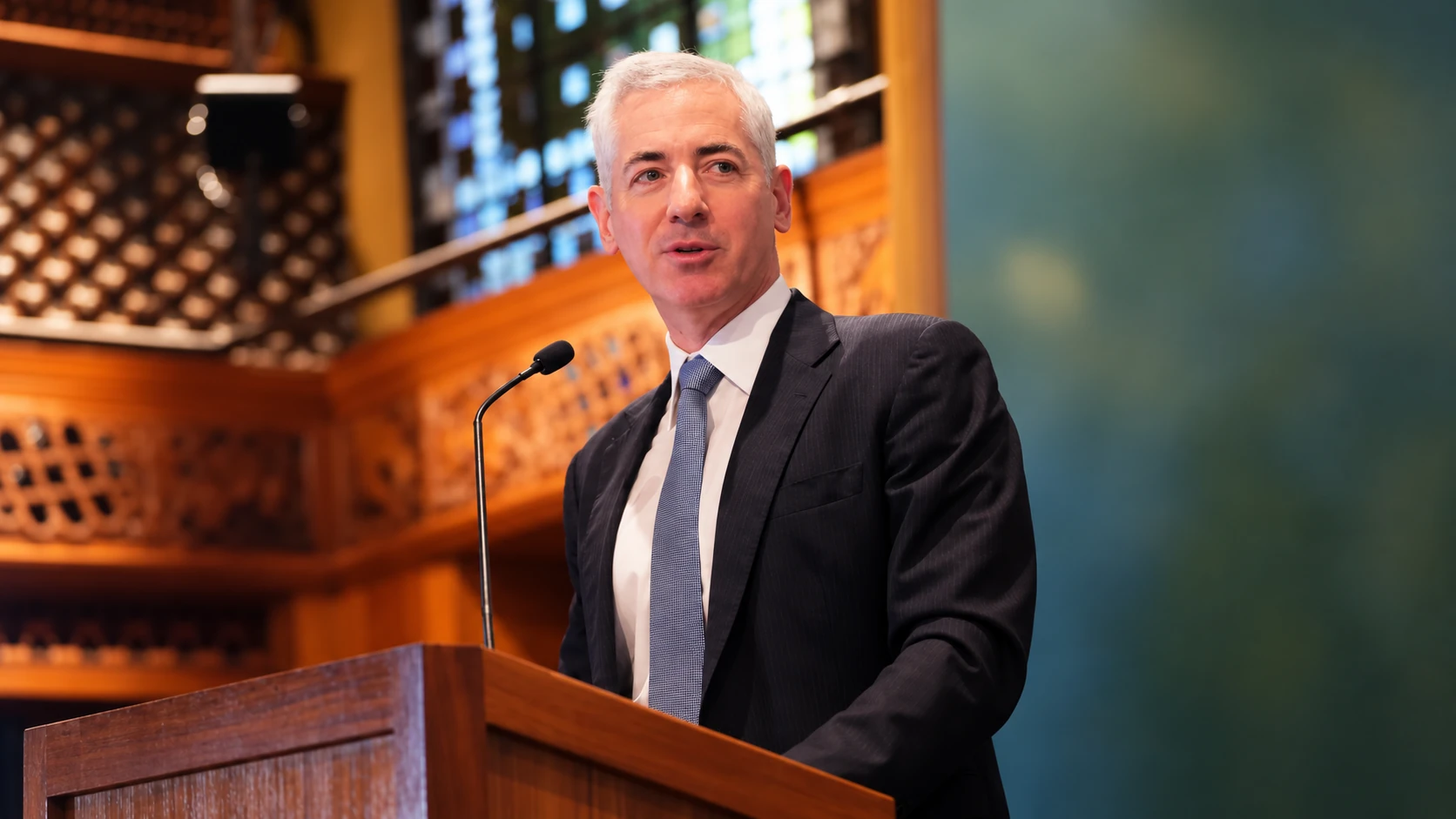
On August 15, Kiplinger published an article titled Nike Stock Rallies After Bill Ackman Takes a New Stake.
The article included comments from Brian Mulberry, then a client portfolio manager at Zacks Investment Management.
Mulberry discussed Nike’s difficulties attracting younger consumers and referred to changing relationships with prominent athletes, including Tiger Woods and LeBron James.
His comments placed Woods’ departure within a broader discussion of Nike’s brand positioning and the potential appeal of its shares to investors.
Mulberry also offered his interpretation of why Ackman might consider Nike an attractive investment opportunity.
That distinction matters. Mulberry was expressing an analyst’s opinion, not revealing a statement from Ackman about Woods.
Pershing Square’s own investment commentary focused on Nike’s brand strength, business strategy, management and potential recovery.
There is no documented basis for claiming that Ackman purchased Nike shares because Woods had left the company.
The Kiplinger article does, however, explain a concrete reason the names appeared together in financial reporting: Woods’ long history with Nike was relevant to analysts discussing the sportswear company’s commercial challenges.
Did Bill Ackman invest directly in Tiger Woods?
There is no publicly established direct investment by Bill Ackman in Tiger Woods or his business ventures.
The distinction is straightforward.
When Pershing Square bought Nike shares, it acquired an ownership interest in Nike, the company. That investment did not give Pershing Square an ownership interest in Woods, his endorsement contracts or his separate businesses.
Woods’ business interests include TGR, which encompasses golf-related commercial activities and philanthropic initiatives.
Ackman’s Pershing Square operates in investment management, with a focus on public companies and capital allocation.
No documented transaction establishes that Ackman or Pershing Square invested directly in Woods’ TGR organization or entered a joint business venture with him.
Likewise, Woods is not publicly identified as a member of Pershing Square’s leadership team.
The connection should therefore be understood as an overlap in their commercial histories, rather than evidence of a shared enterprise.
Does Bill Ackman still own Nike shares?
Pershing Square exited its second Nike investment in 2025, according to the firm’s subsequent disclosures.
However, the exit happened in stages.
The firm converted its Nike shares into options
In its February 11, 2025, investor presentation, Pershing Square explained that it had converted its Nike common-stock position into deep-in-the-money call options.

A call option gives its holder the right, under specified conditions, to purchase shares at an agreed price.
By using these options, Pershing Square could maintain financial exposure to a potential recovery in Nike’s share price while releasing capital previously committed to directly holding the shares.
The distinction matters when interpreting subsequent SEC filings.
Nike shares no longer appeared among Pershing Square’s reported holdings in March 2025. But that did not mean the firm had completely abandoned its investment.
Pershing Square’s 2025 investor presentation specifically explained that the relevant over-the-counter options would not appear in its Form 13F filings.
The remaining position was sold in November 2025
On November 21, 2025, Institutional Investor reported that Pershing Square had sold its remaining Nike options.
According to the report by Michelle Celarier, the investment produced a cumulative loss exceeding $600 million, with a return of approximately negative 30%.
The publication attributed the performance details to comments made during a Pershing Square investor call.
The firm’s own February 2026 annual investor presentation subsequently confirmed that the Nike investment initiated in 2024 had been exited in 2025.
That is the most relevant development for readers wondering whether Ackman’s firm continues to own the Nike position disclosed in 2024.
The June 30, 2026 SEC holdings report, filed on August 14, also contained no Nike position.
As of October 11, 2026, the latest relevant institutional filing identified therefore remained consistent with Pershing Square’s previously announced exit. Such filings describe holdings at a particular reporting date, however, and do not establish every possible personal investment or subsequent transaction.
