

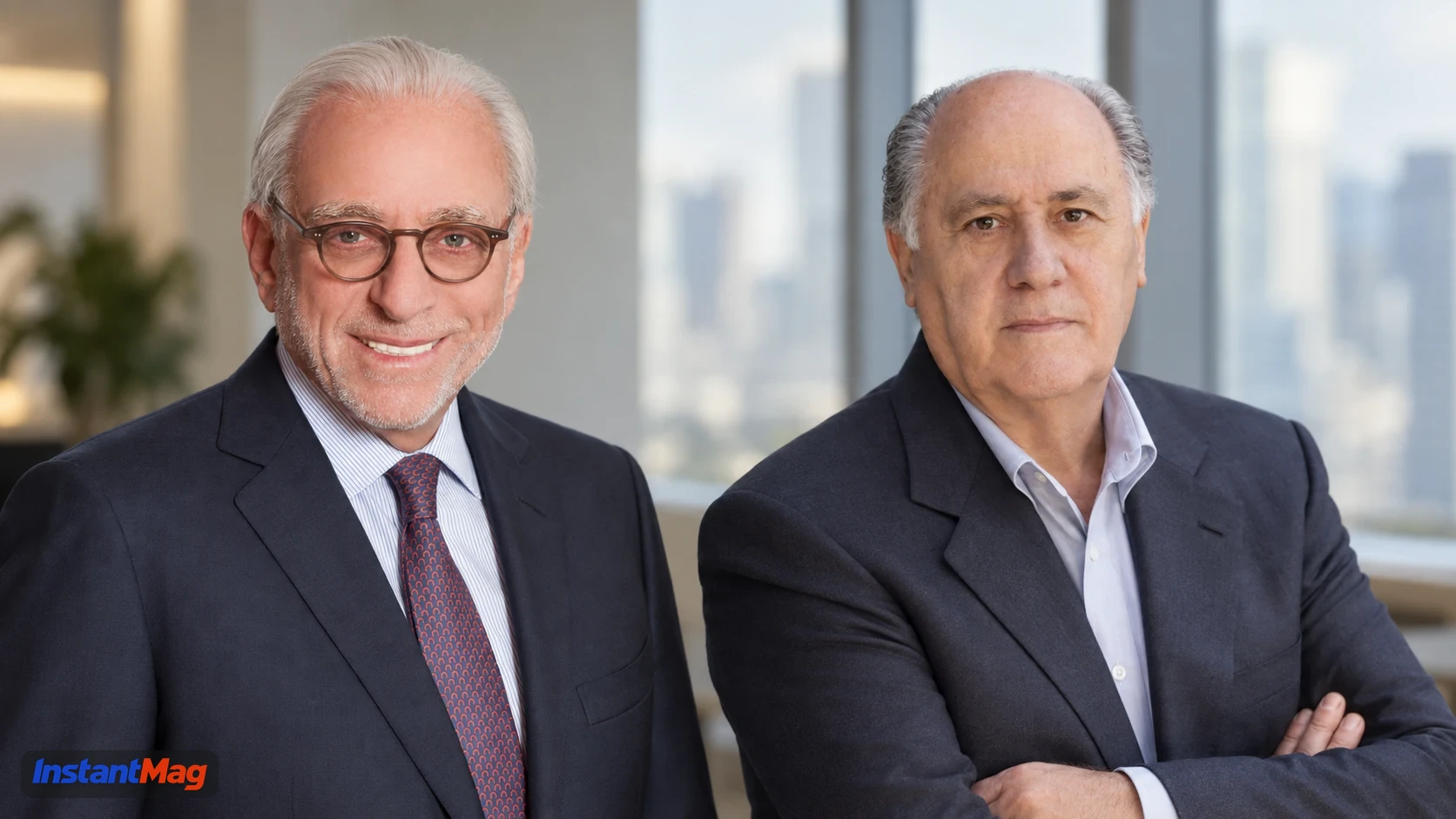
There is no public confirmation that Nelson Peltz and Amancio Ortega are relatives or direct business partners. Their names may appear together in online comparisons, but their documented careers belong to separate business worlds: Peltz built his influence through investment stakes, transactions and board campaigns, while Ortega created the retail group Inditex and retained a controlling interest in it.
As of September 27, 2026, Peltz is CEO and Founding Partner of Trian Fund Management, a non-executive director of Unilever and Chairman Emeritus of Wendy’s. Ortega remains an Inditex director and, according to the company’s 2025 corporate-governance report, beneficially owned 59.294% of the Zara parent company as of January 31, 2026.
Nothing in the public record establishes a joint company, shared board position or disclosed investment partnership between the two men. That does not establish whether they have ever met or spoken privately; it simply means there is no documented business or family relationship to build a factual story around.
Who is Nelson Peltz?
Nelson Peltz is an American investor whose career has moved through operating companies, acquisitions and investment management.
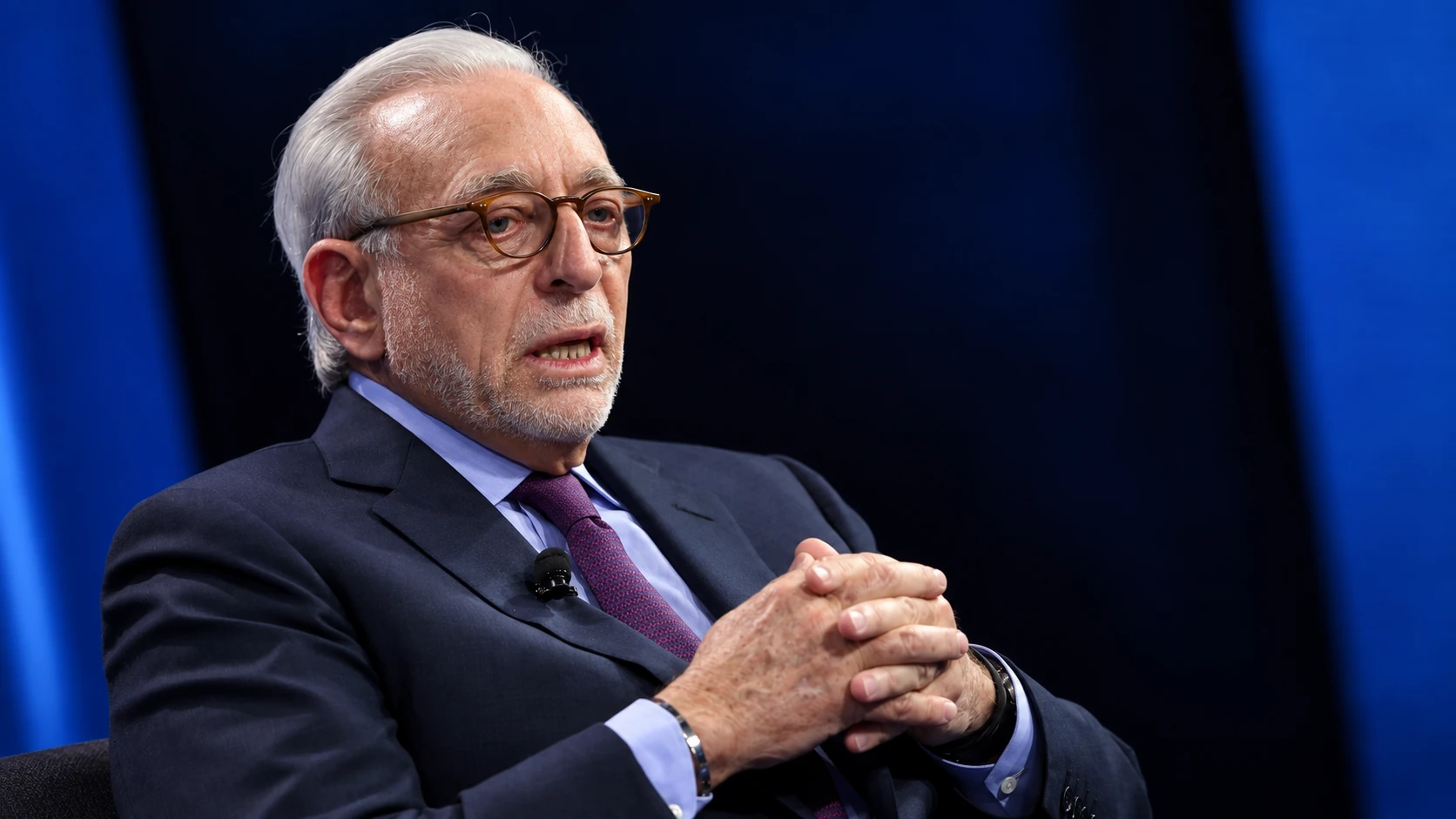
Corporate biographies filed with the US Securities and Exchange Commission say he began working in his family’s food business in 1963. He later became chairman and CEO of Triangle Industries, serving from 1983 until December 1988, and took over as chairman and CEO of Triarc Companies in April 1993.
A major change came in November 2005, when Peltz, Ed Garden and Peter May founded Trian Fund Management. The firm became associated with taking substantial positions in established companies and pressing for changes in areas such as strategy, governance, operations and capital allocation.
That approach made Peltz a recurring figure in some of the most visible corporate boardroom battles of the past two decades. His board experience has included major consumer-facing companies, while Trian’s campaigns have sometimes led to board representation and, in other cases, ended without the seats it sought.
One prominent example came at Disney in 2024. Trian nominated Peltz and former Disney executive James Rasulo to the board, but shareholders elected Disney’s full company-backed slate at the April annual meeting. The episode demonstrated both the scale of Trian’s campaigns and the limits of an activist investor’s influence when other shareholders choose a different course.
Peltz’s current corporate role is clearer in Unilever’s leadership profile, which identifies him as Trian’s CEO and Founding Partner and as a non-executive director of Unilever. He joined the Unilever board in 2022 and was re-elected at the company’s annual meeting in May 2026.
Trian’s 2026 Janus Henderson deal
Peltz’s work in 2026 was not limited to public-company board campaigns. On June 30, Trian, General Catalyst, Qatar Investment Authority and other investors completed the take-private transaction for Janus Henderson Group.
Under the completed deal, Janus Henderson shares not already owned or controlled by Trian were converted into the right to receive $52 in cash per share, and the asset manager was delisted from the New York Stock Exchange. Janus Henderson’s transaction announcement identified Peltz as Trian’s CEO and Founding Partner and said Trian had first invested in the company in 2020.
The transaction is a useful example of the way Peltz’s business activity extends beyond proxy contests. Rather than seeking only to influence the board of a listed company, Trian and its partners took Janus Henderson private and assumed a more direct ownership role.
Peltz’s continuing connection to Wendy’s
Peltz also has a long association with Wendy’s. He served as the restaurant company’s non-executive chairman from 2007 until September 2024 and is now Chairman Emeritus.
His ownership position requires some care because securities filings distinguish between shares held directly and the broader definition of “beneficial ownership” used under SEC rules. A February 18, 2026 Schedule 13D/A reported an aggregate 30,913,106 Wendy’s shares, or 16.24%, as beneficially owned within the reporting structure associated with Peltz and related entities. The filing separately reported sole dispositive power over 9,959,519 shares.
That distinction means it would be misleading to say simply that Peltz personally owned 16.24% of Wendy’s outright.
The same February 2026 SEC filing disclosed that Trian had held discussions with financing sources, potential co-investors and strategic partners about possible alternatives involving Wendy’s, including a transaction that could result in acquiring control. It also made clear that no proposal or transaction was assured.
The situation remained fluid later in the year. Reuters reported on August 26 that Trian had no plans “at this time” to make a take-private bid for Wendy’s. That report came after earlier August coverage suggesting preparations for a possible offer, so the later report should be treated as a dated status update rather than a permanent statement of intent.
Who is Amancio Ortega?
Amancio Ortega Gaona took a very different route to corporate influence. Instead of building a career around investments in companies founded by others, he developed the business that became Inditex, one of the world’s largest fashion retailers.
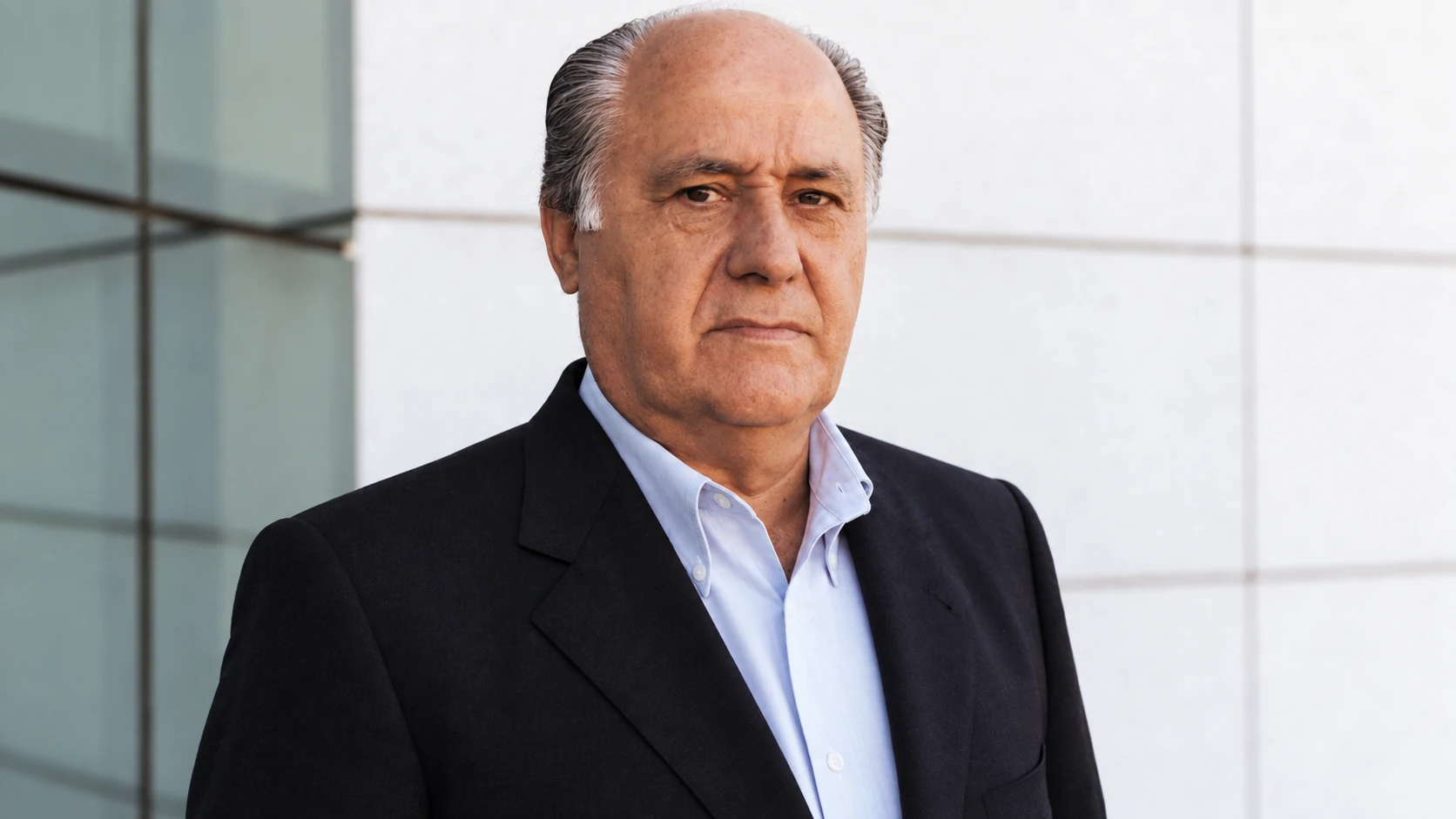
According to Inditex’s 2025 corporate-governance report, Ortega began working in textile manufacturing in 1963. He founded Confecciones Goa S.A. in 1972 and Zara España S.A. in 1975.
He later became chairman of Inditex and remained in that position until 2011. Although he no longer runs the company day to day, he continues to sit on its board.
His ownership position is central to understanding his continuing influence. Inditex reported that Ortega beneficially owned 59.294% of the company as of January 31, 2026. That holding was divided between 50.010% through Pontegadea Inversiones and 9.284% through Partler Participaciones.
In share terms, Inditex attributed 1,848,000,315 shares to Ortega through those controlled entities.
Does Amancio Ortega still own Zara?
The short answer is that Ortega continues to control a majority stake in Inditex, the parent company of Zara. Saying simply that he “owns Zara” can obscure the corporate structure.
As of January 31, 2026, his 59.294% beneficial ownership of Inditex gave him a controlling shareholder position in the wider group rather than sole ownership of Zara as an isolated business.
That distinction also separates ownership from management. Ortega remains an Inditex director, but he is not the company’s chief executive. His daughter, Marta Ortega Pérez, is non-executive chair, while Óscar García Maceiras serves as CEO.
Inditex’s scale helps explain why Ortega’s shareholding matters. The company reported €39.9 billion in revenue and €6.2 billion in net profit for its 2025 financial year, with 5,460 stores across 97 markets at year-end.
Two different forms of business influence
The most useful comparison between Nelson Peltz and Amancio Ortega is not their personal wealth but the structure of their careers.
Peltz generally enters companies that already exist. Through Trian, he has taken significant investment positions, sought board representation, argued for strategic changes and participated in major transactions. His influence therefore tends to depend on investment stakes, shareholder support, negotiated arrangements and boardroom outcomes.
Ortega’s position comes from having created the business at the centre of his fortune and retained majority control as it expanded. His influence is tied to long-term ownership of Inditex rather than an activist stake acquired in an outside company.
The difference can be seen clearly in their 2026 activity. Peltz remained involved in Trian investments and transactions, including the Janus Henderson take-private, while also serving on Unilever’s board and retaining a significant Wendy’s position. Ortega remained a director and controlling shareholder of the retail group he founded decades earlier.
Are Nelson Peltz and Amancio Ortega business partners?
There is no public confirmation of a direct business partnership between them. No joint venture, shared board membership or disclosed co-investment connecting Peltz and Ortega has been established.
That makes the pairing of Nelson Peltz and Amancio Ortega more useful as a comparison of two business models than as a relationship story. Peltz built his modern career around investing in and influencing existing companies. Ortega built Inditex and retained control of the company as it grew.
Their documented careers therefore intersect mainly in the broad world of global business, not through a confirmed shared enterprise.
